Talivio Blog
Seismic intelligence,
from the source.
Deep dives into earthquake science, AI forecasting models, tectonic data, and global seismic risk.
All
Seismic Science 29
Case Studies 24
Risk Analysis 20
Data Sources 17
AI & ML 16
Global Seismic Activity 1
Data Sources
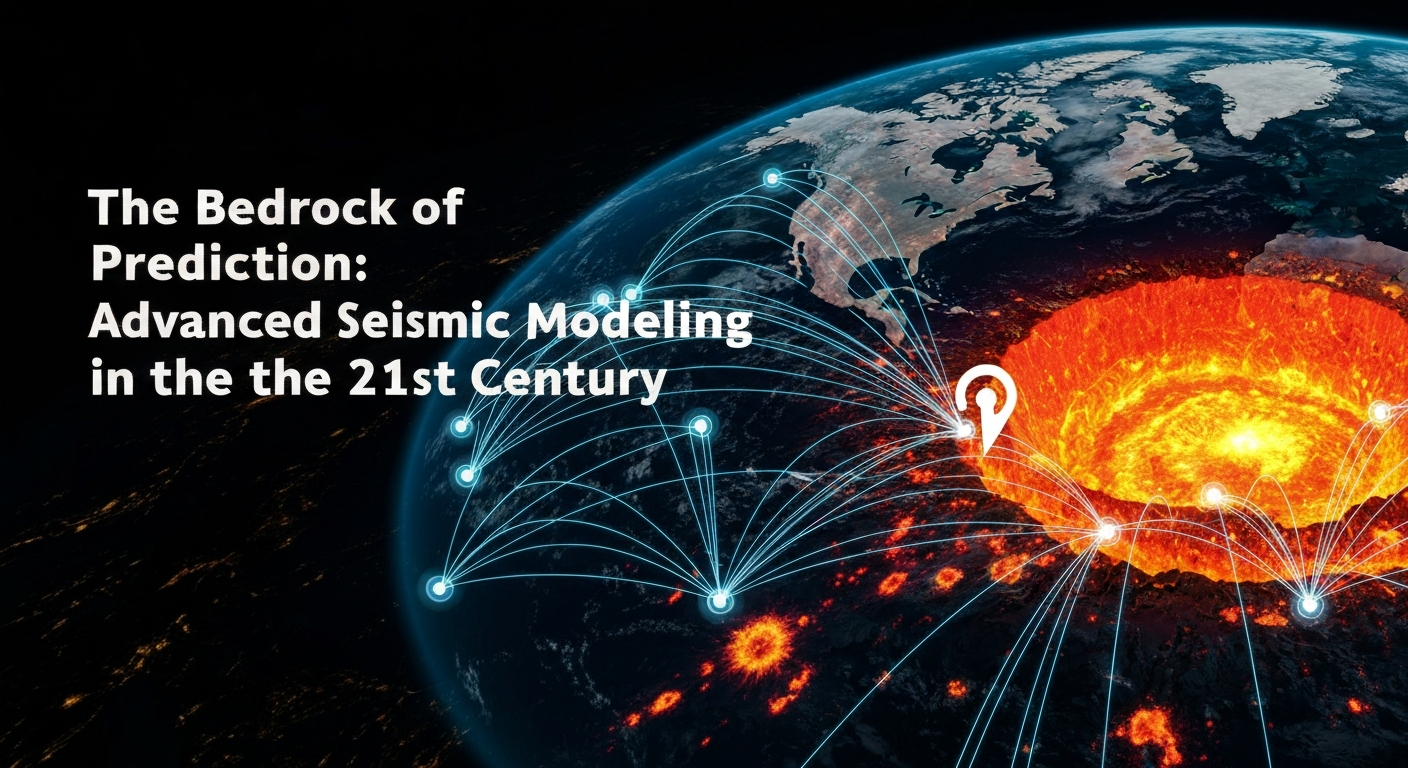
The Bedrock of Prediction: How Historical Seismic Data Powers Talivio's AI Forecasts
Reliable historical seismic data is crucial for advancing earthquake forecasting. Talivio leverages vast archives of past seismic events to train and validate its AI models. This empirical foundation ensures our predictions are grounded in evidence, continuously refining our understanding of seismic processes for enhanced accuracy.
Data Sources
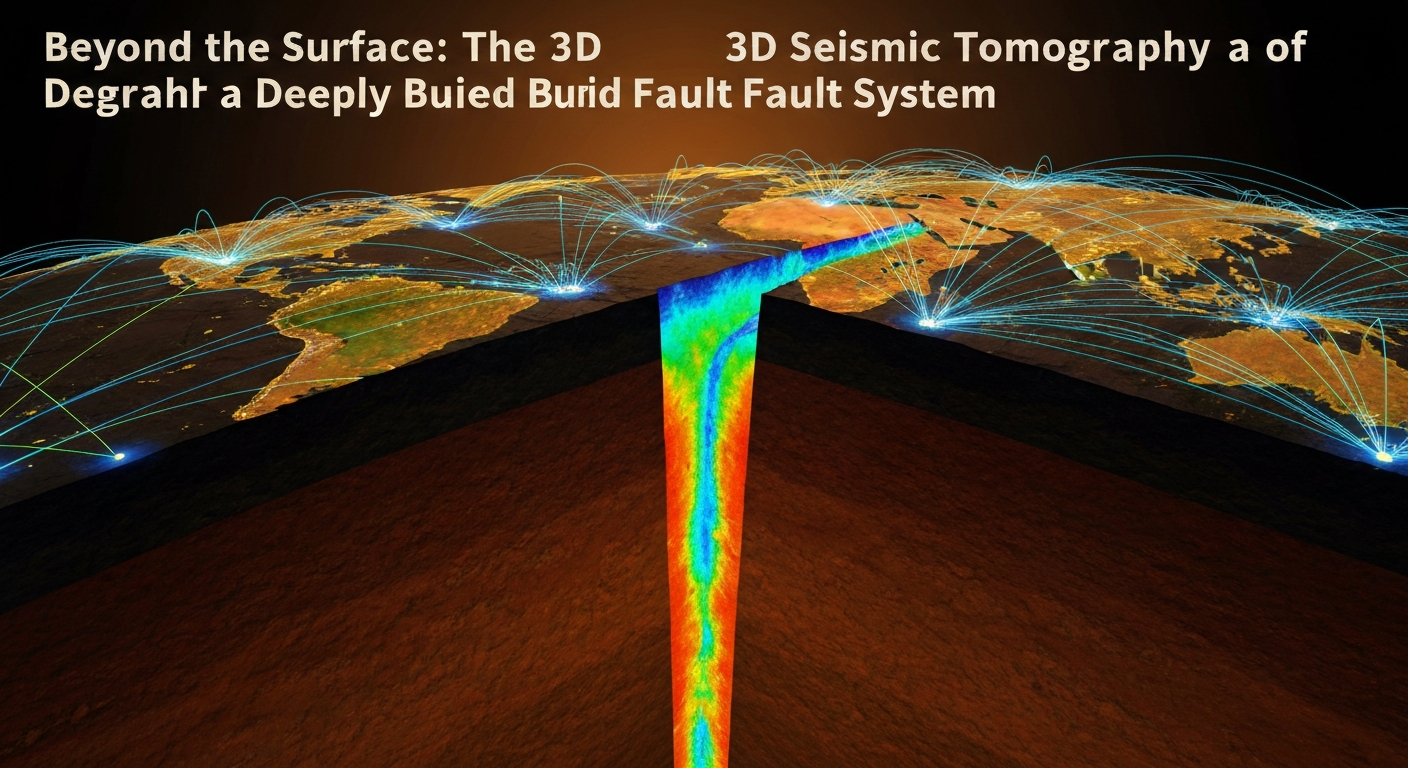
Beyond the Surface: The 102 Seismic Features Driving Talivio's Forecasts
Talivio's AI-powered earthquake forecasts are built upon a sophisticated analysis of 102 distinct seismic features. This article explores how these diverse data points, ranging from crustal deformation to statistical seismicity patterns, are extracted and processed to provide our probabilistic predictions, underscoring the necessity of a multi-faceted data approach for enhanced accuracy.
AI & ML
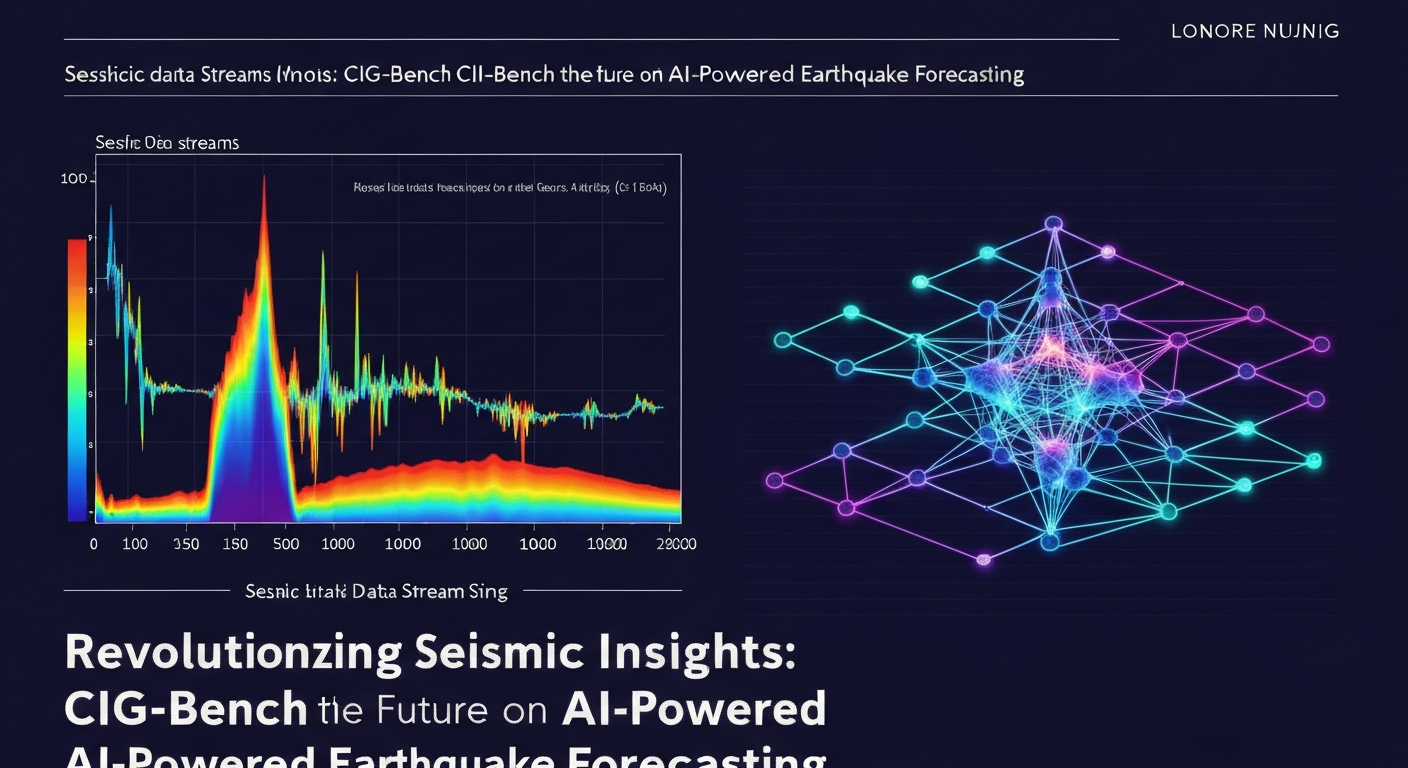
Revolutionizing Seismic Insights: CIG-Bench and the Future of AI-Powered Earthquake Forecasting
Understanding Earth's hidden structures is vital for earthquake prediction. A new benchmark, CIG-Bench, is standardizing AI in subsurface imaging, providing critical data processing capabilities. Talivio leverages these advancements to refine its forecasting models, enhancing our ability to anticipate seismic events.
Risk Analysis
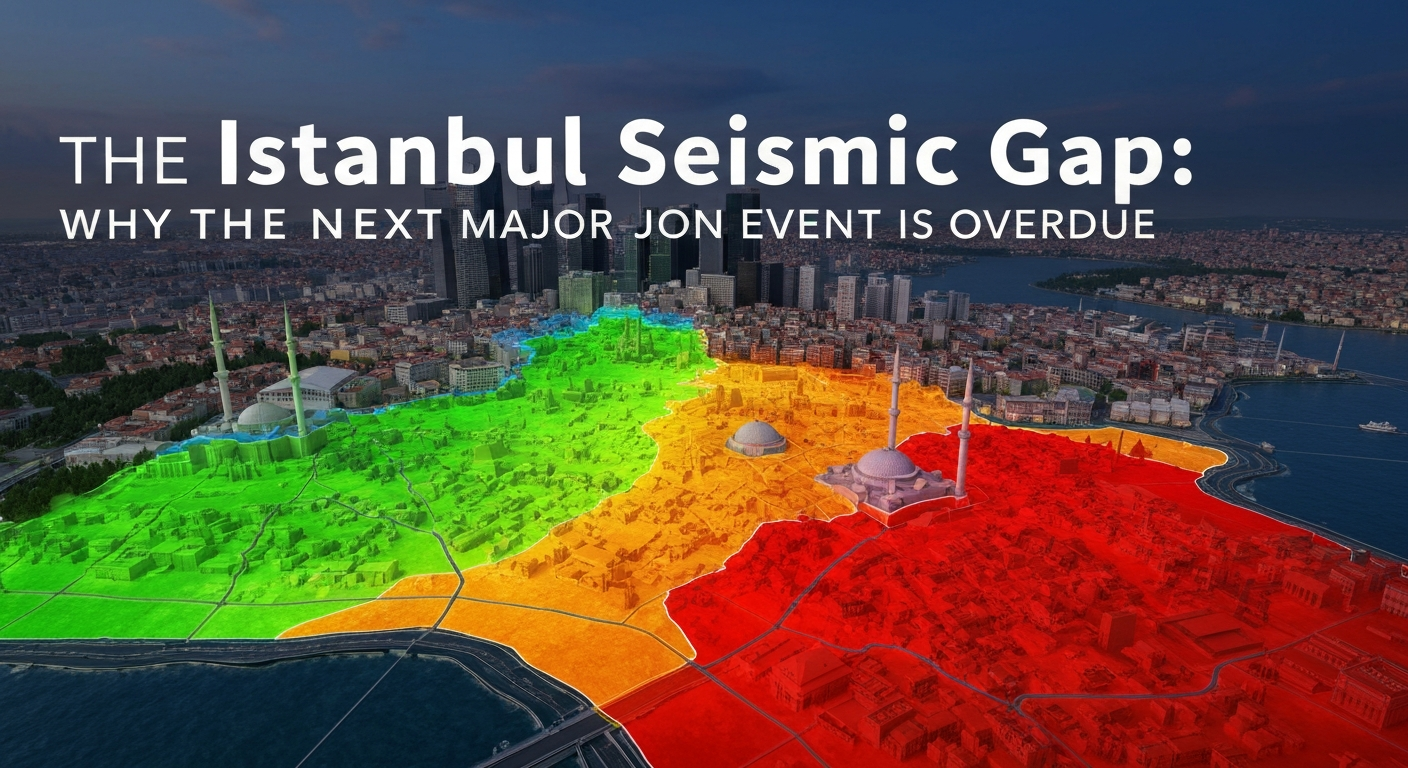
The Istanbul Seismic Gap: Why the Next Major Event Is Overdue
The Marmara segment of the North Anatolian Fault has not ruptured since 1766. With 15 million people at risk, understanding the seismic gap is critical.
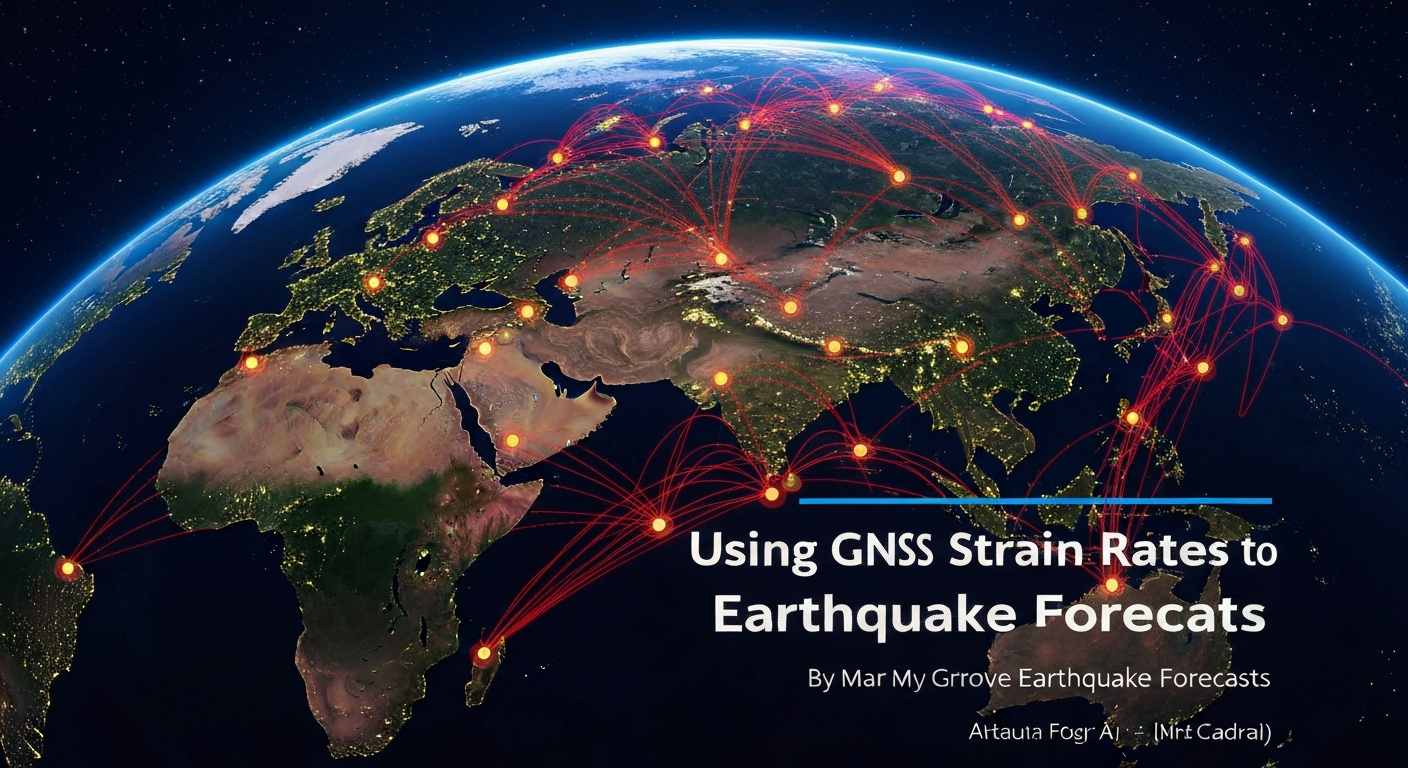
Data Sources
Using GNSS Strain Rates to Improve Earthquake Forecasts
Ground deformation data from GPS networks captures tectonic loading in near real-time. Here's how Talivio integrates GNSS velocities into its ML feature pipeline.
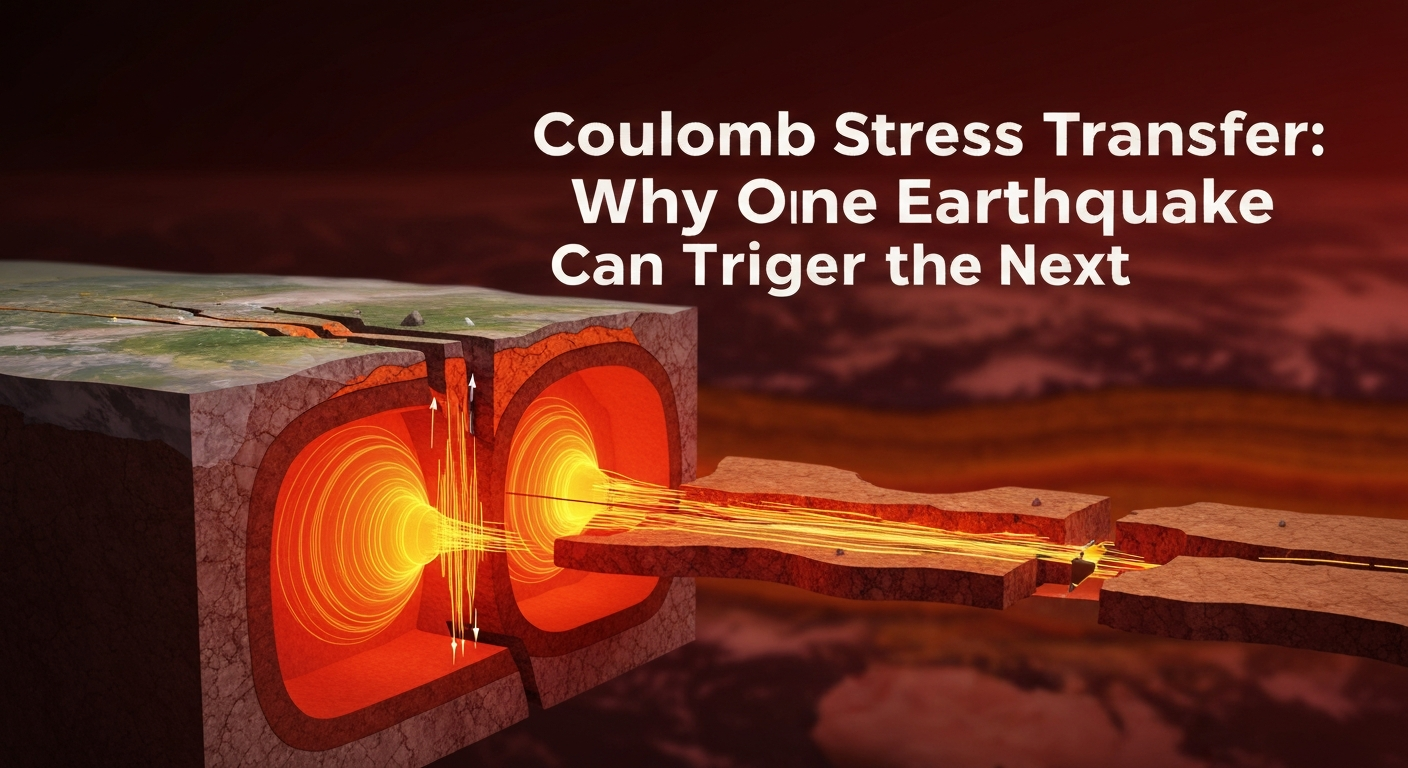
Seismic Science
Coulomb Stress Transfer: Why One Earthquake Can Trigger the Next
Stress redistribution after a major earthquake can significantly increase or decrease failure probability on nearby faults. We explain the physics and how Talivio models it.
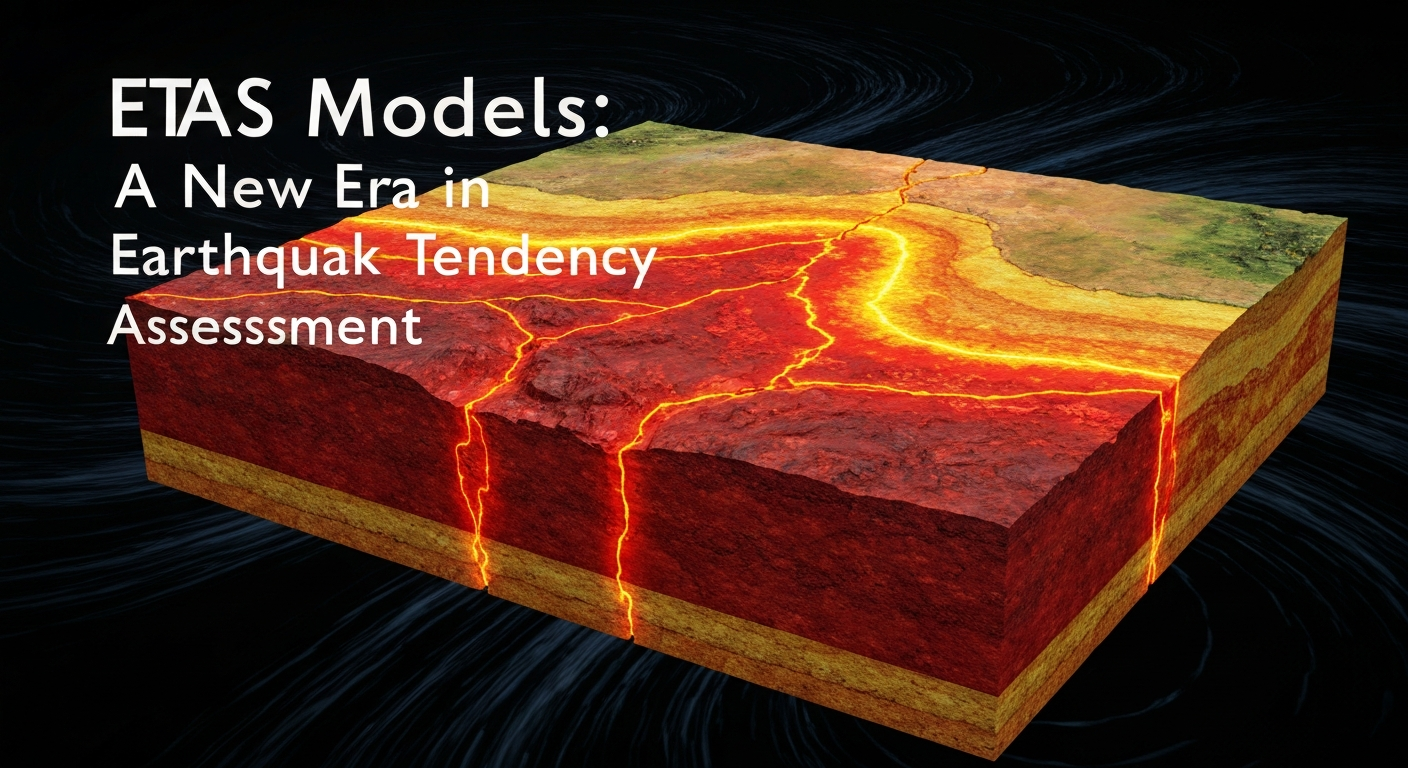
Seismic Science
ETAS Models and Aftershock Sequences: The Statistics of Seismicity
The Epidemic Type Aftershock Sequence model describes how earthquakes cluster in time and space. Here's how we use it as a feature, not just a forecast tool.
AI & ML
How Talivio Compares to Other Global Earthquake Forecast Systems
A transparent comparison of Talivio's prospective forecast performance against published benchmarks from RELM, CSEP, and the global operational forecast community.