Talivio Blog
Seismic intelligence,
from the source.
Deep dives into earthquake science, AI forecasting models, tectonic data, and global seismic risk.
All
Seismic Science 29
Case Studies 24
Risk Analysis 20
Data Sources 17
AI & ML 16
Global Seismic Activity 1

Seismic Science
The b-Value: A Critical Seismic Statistic for Advanced Earthquake Forecasting with Talivio AI
The seismic b-value, derived from the Gutenberg-Richter law, quantifies the relationship between earthquake magnitude and frequency. It's a vital indicator of stress accumulation and fault behavior, integrated into Talivio AI's advanced forecasting models.
Seismic Science
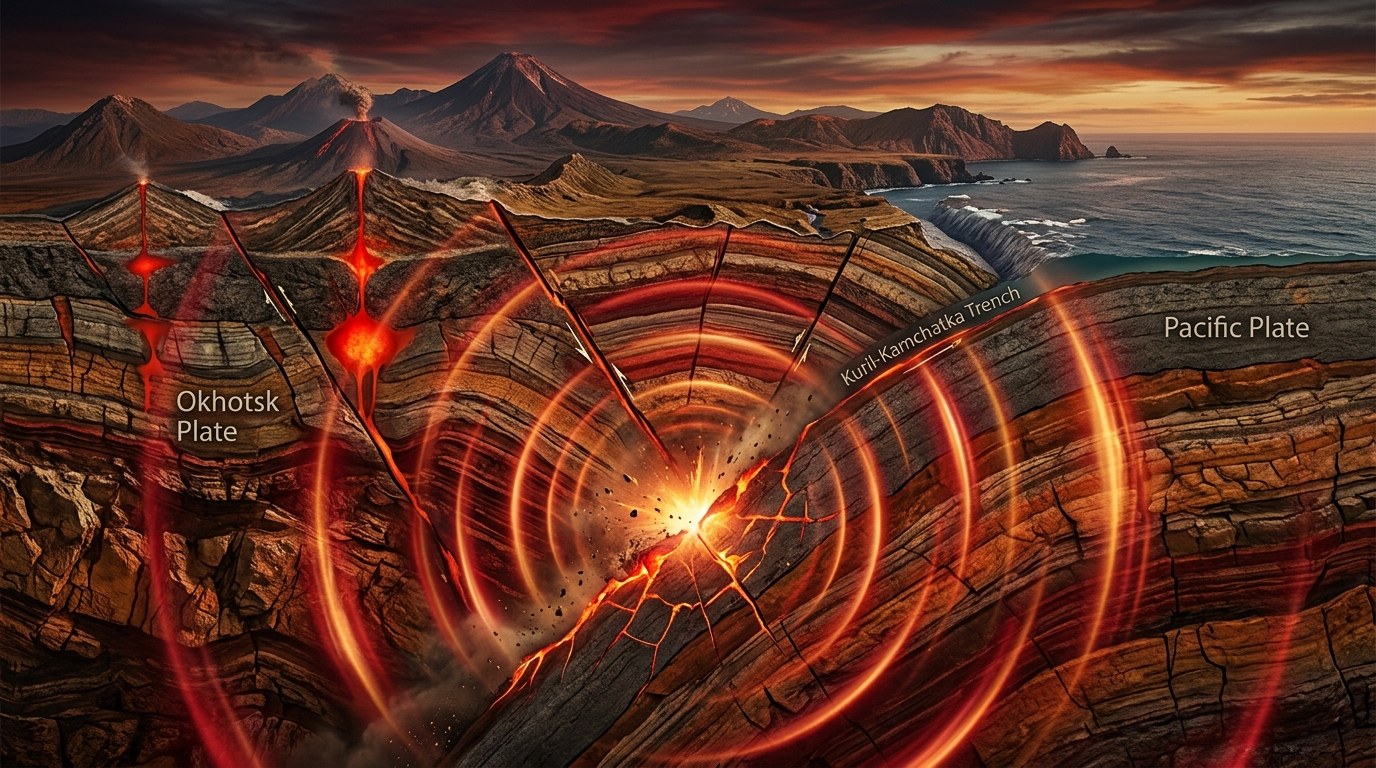
Unveiling Kamchatka's Seismic Precursors: A Multi-Feature Approach to Earthquake Forecasting
A new arXiv paper illuminates the complex preparatory processes preceding major earthquakes in Kamchatka, leveraging multi-feature analysis. This research offers critical insights into seismic forecasting, aligning with Talivio AI's advanced predictive framework that utilizes similar sophisticated methods.
Seismic Science
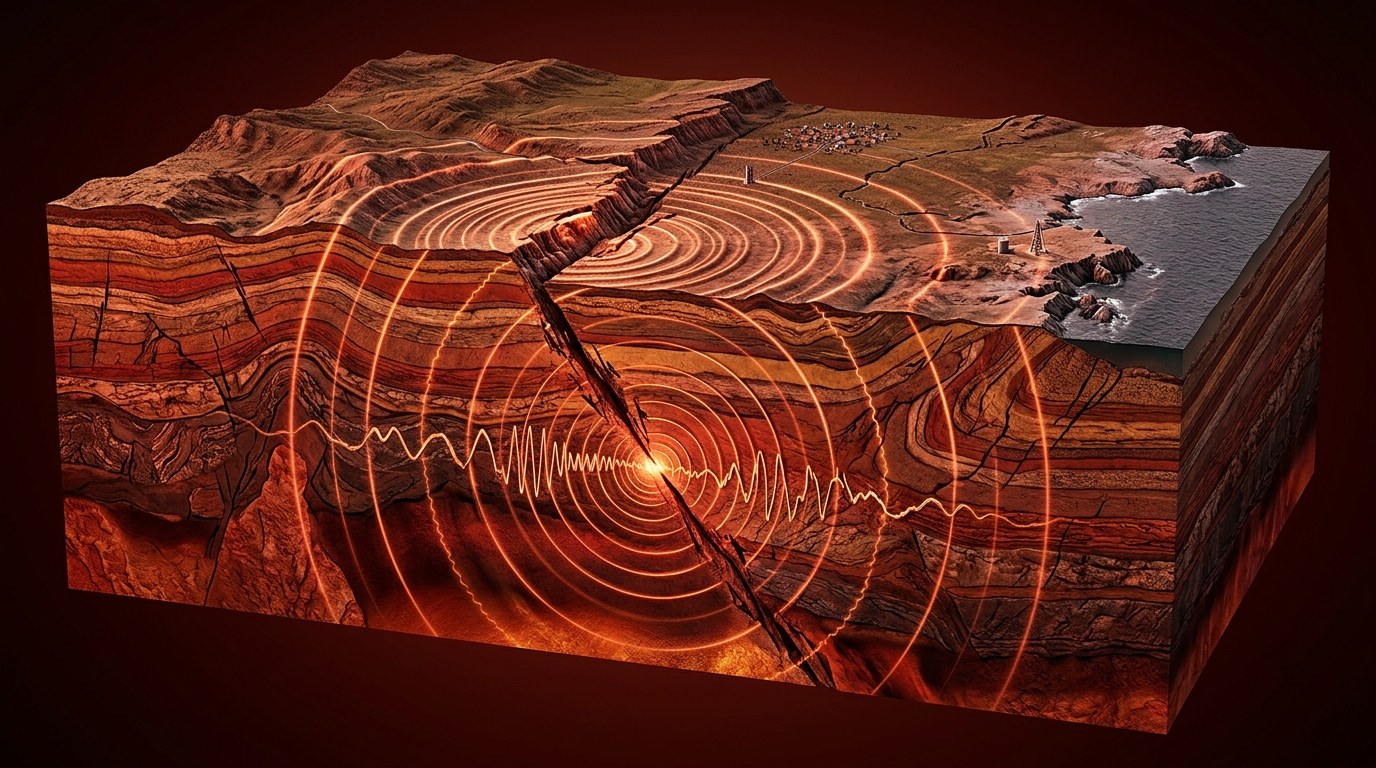
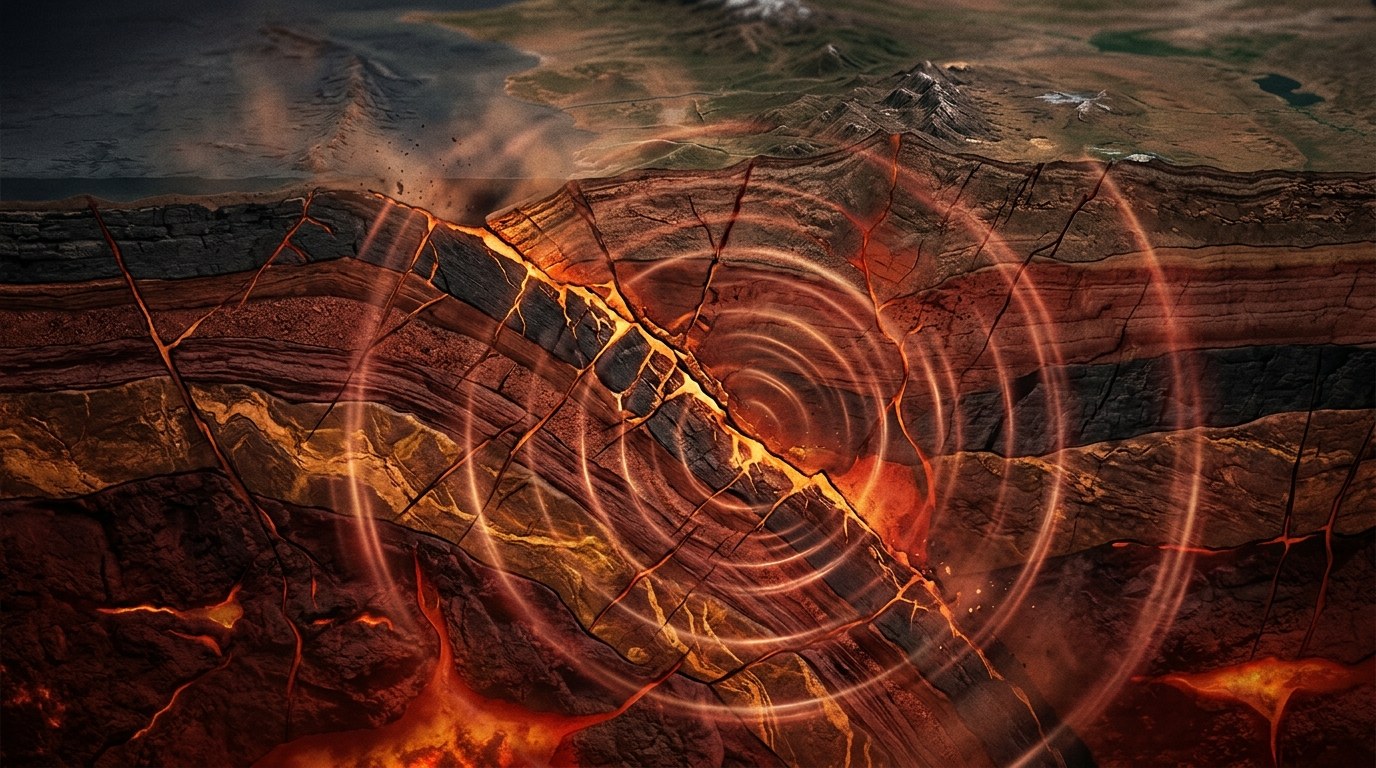
Seismic Waves: Earth's Messengers & Talivio AI's Forecasting Foundation
Seismic waves are the fundamental signals carrying crucial information about Earth's subsurface dynamics. This post explores how these powerful messengers underpin Talivio AI's advanced machine learning models, transforming raw data into precise earthquake forecasts.
Seismic Science
Beyond the Surface: Unpacking the 102 Seismic Features Powering Talivio AI
Earthquake forecasting is a monumental scientific challenge. Talivio AI addresses this by leveraging 102 distinct seismic features, from GNSS strain rates to ETAS parameters, creating a comprehensive picture of earthquake risk. This deep feature engineering is fundamental to identifying the subtle precursors our multi-band machine learning models rely on.

Seismic Science
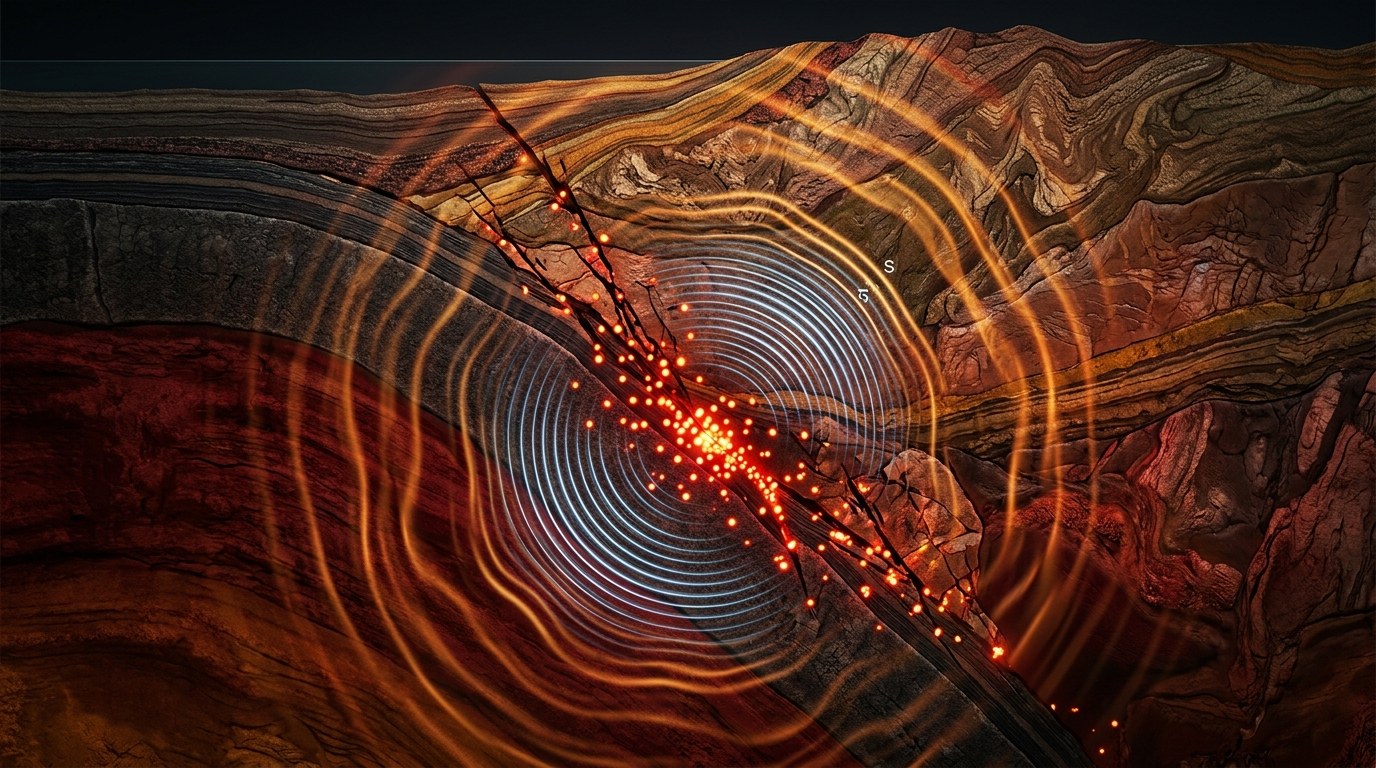
Seismic Anisotropy: Decoding Earth's Internal Dynamics with Talivio AI
Earth's interior is not uniform. Seismic anisotropy, the directional dependency of seismic wave speed, reveals crucial insights into deep structure, mantle flow, and stress fields. This post explores how Talivio AI leverages these complex observations to enhance its advanced earthquake prediction models.
Seismic Science
Deprem Sürüleri: Talivio AI Sismik Kümeleri Nasıl Çözüyor?
Deprem sürüleri, belirgin bir ana şok olmaksızın meydana gelen sarsıntı kümeleridir ve sismik analiz için benzersiz zorluklar sunar. Bu yazı, özelliklerini ve Talivio AI'ın gelişmiş makine öğrenimini kullanarak onları öncü depremlerden nasıl ayırdığını açıklıyor.
Seismic Science
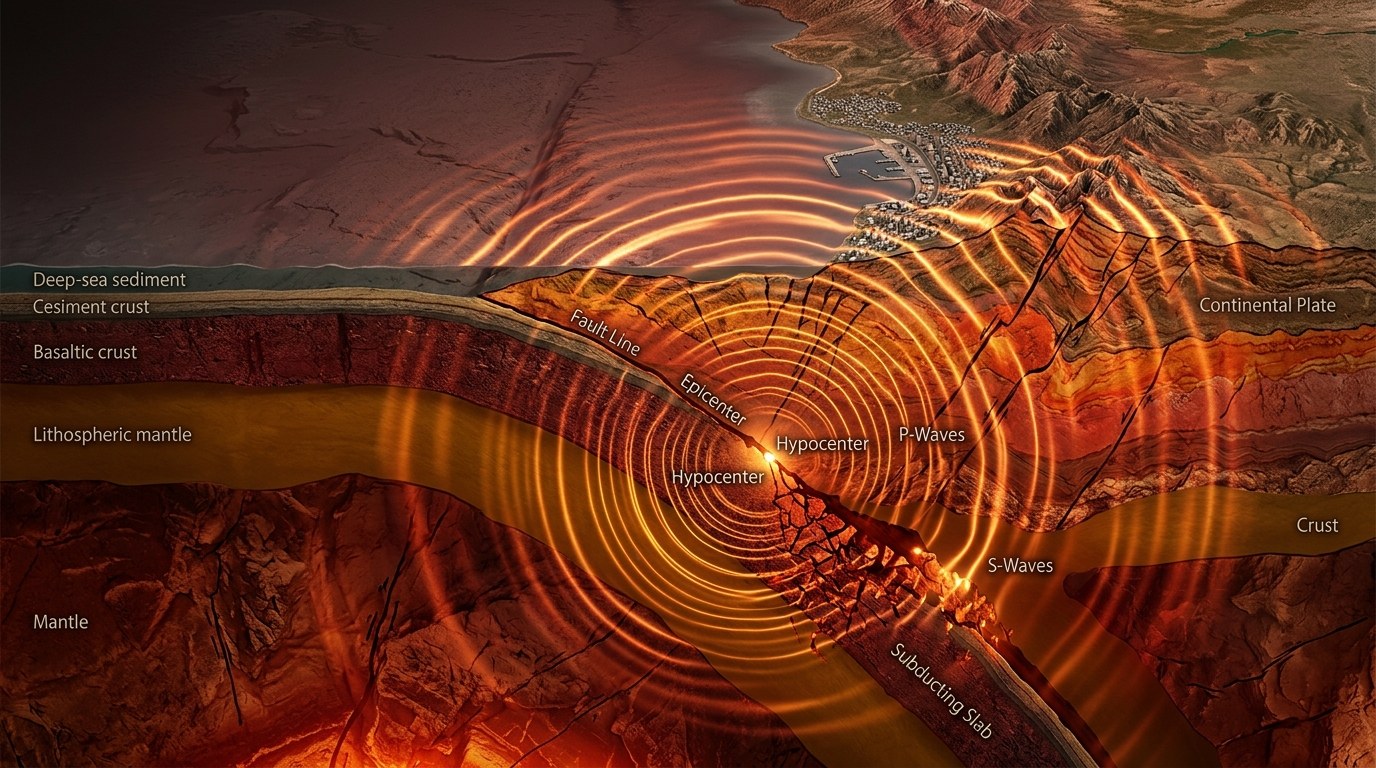
Beyond the Richter Scale: Why Seismic Moment is the Gold Standard for Earthquake Sizing
While the Richter scale remains a household name, modern seismology relies on a more robust measure: seismic moment. This article explores why seismic moment and its derived moment magnitude provide a physically accurate understanding of earthquake size, crucial for advanced prediction platforms like Talivio AI.

Seismic Science
The Enigma of Deep-Focus Earthquakes: Unveiling Earth's Hidden Tremors
Deep-focus earthquakes, originating hundreds of kilometers beneath the surface, defy conventional understanding of rock behavior. Talivio explores the complex mechanisms driving these mysterious events and leverages AI to enhance our comprehension of global tectonics and seismic phenomena.

Seismic Science
Global M5+ Seismic Activity: Talivio's Weekly Analytical Recap (Aug 17-23, 2026)
Talivio provides its weekly analytical recap of global M5+ seismic events from August 17-23, 2026. This report delves into significant tectonic movements, regional patterns, and the critical data points informing our AI-driven insights into Earth's dynamic crustal processes.