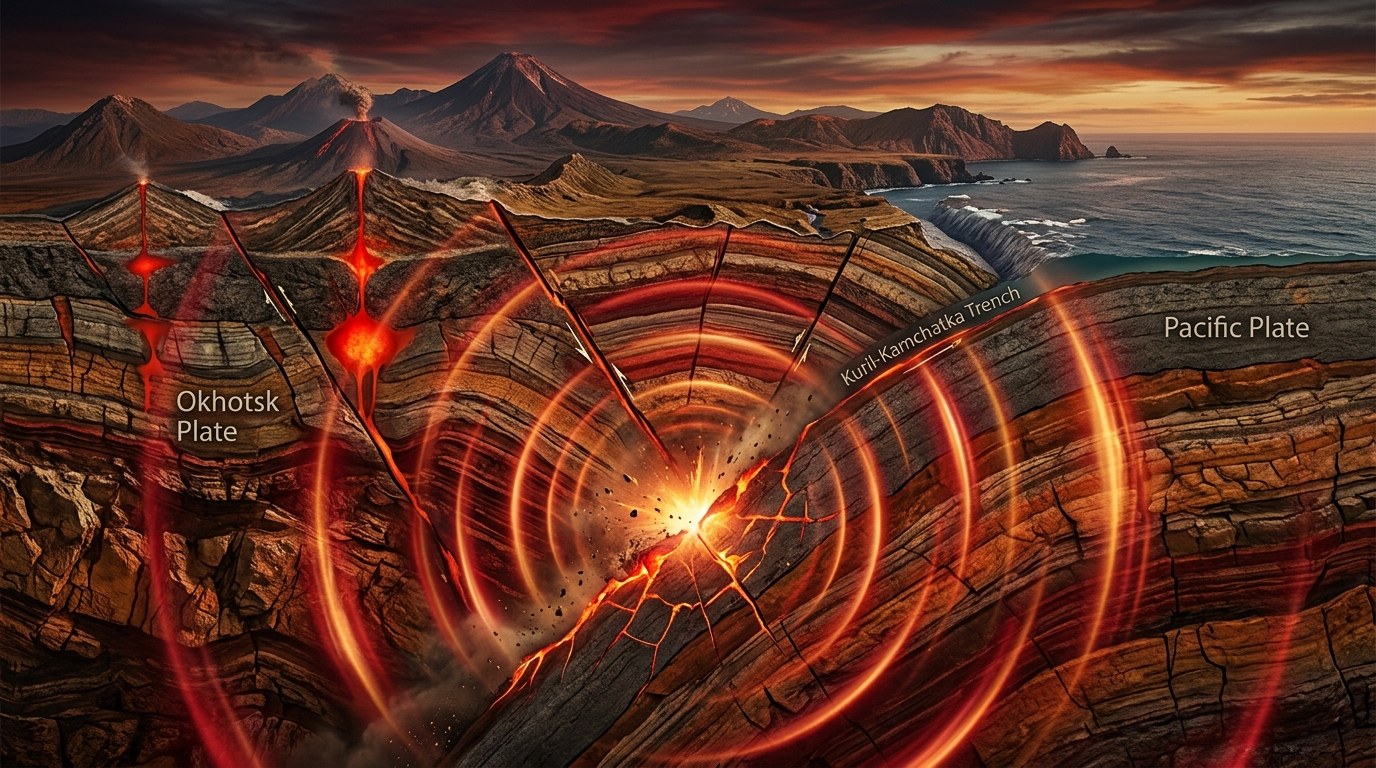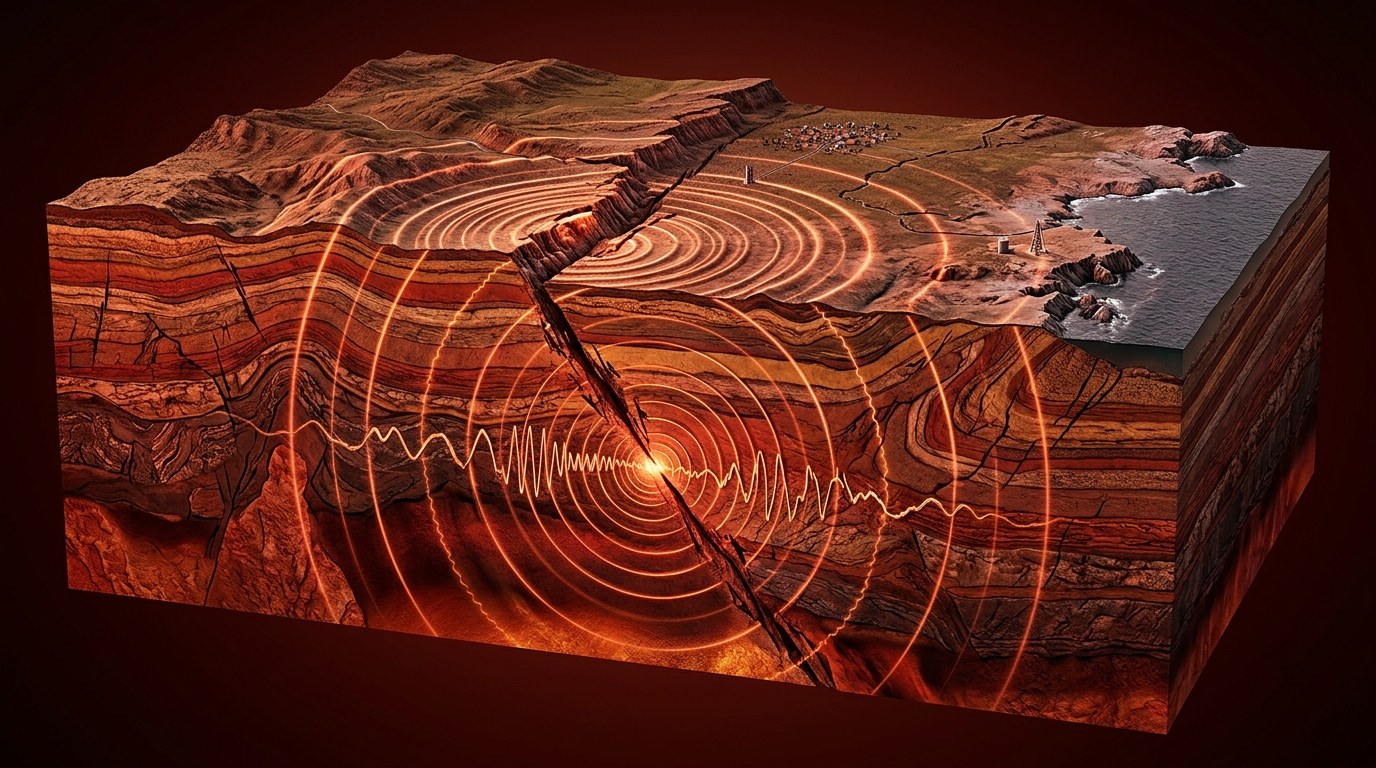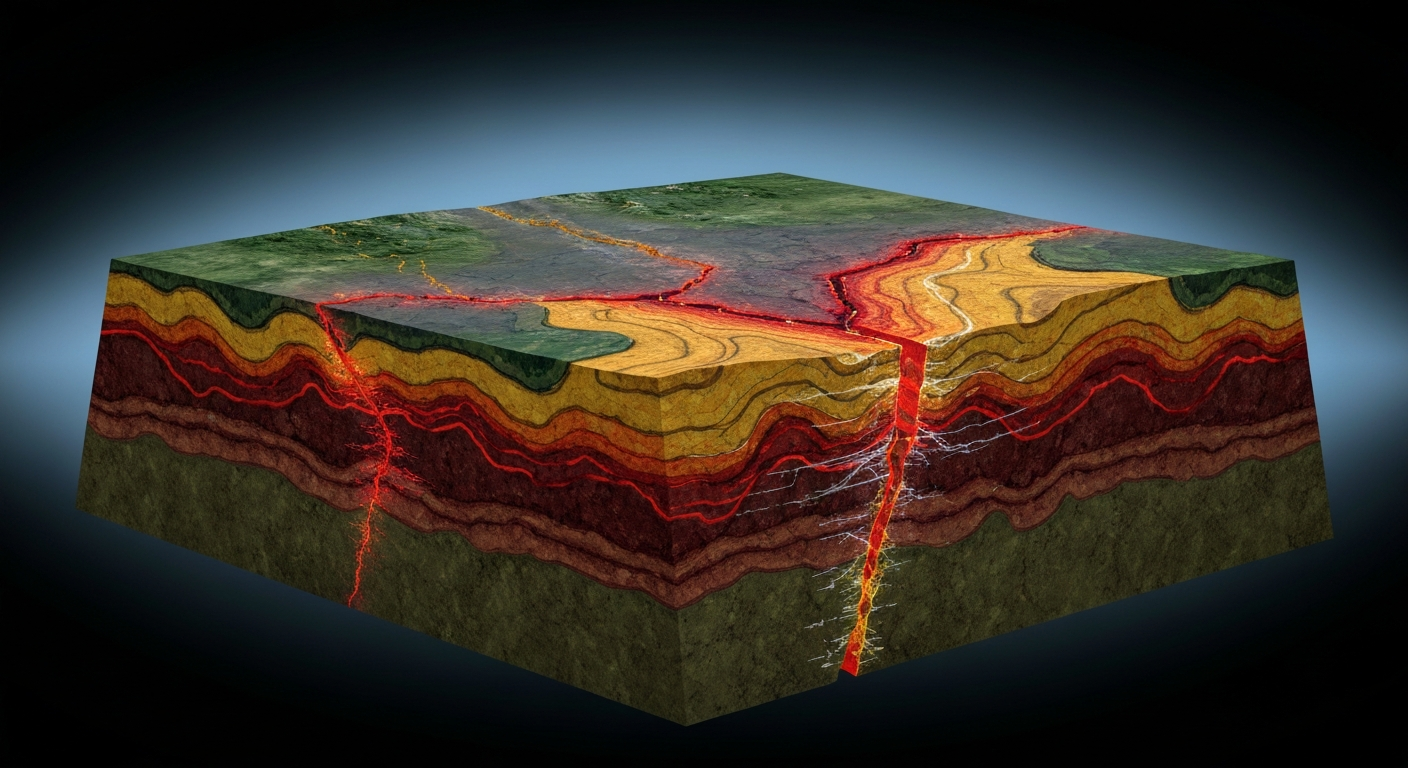
The Earth's crust is a dynamic canvas, constantly reshaped by the relentless forces of plate tectonics. While some regions frequently experience the tremors of seismic activity, others remain eerily silent for decades or even centuries. These quiescent zones, known as seismic gaps, are not areas of safety but rather critical indicators of immense, unreleased energy, signaling a heightened potential for future large earthquakes. At Talivio, an AI-powered earthquake prediction platform, we analyze these critical zones with advanced machine learning to provide crucial insights into impending seismic events.
Understanding seismic gaps is not merely an academic exercise; it is a fundamental component of proactive disaster preparedness and risk mitigation. By identifying where stress is accumulating along active fault lines, seismologists and AI models alike can refine their assessments, offering a clearer picture of where the next major tremor might strike. This deep dive will explore what seismic gaps are, how they are identified, and their profound importance in the ongoing quest to anticipate and prepare for earthquakes.
What Are Seismic Gaps?
A seismic gap is defined as a segment of an active fault that has not experienced a major earthquake for a significant period, despite adjacent segments having ruptured recently. Imagine a long, elastic band being stretched; if one part snaps, the tension on the adjacent parts increases. In the context of the Earth’s crust, tectonic plates are constantly moving, causing immense stress to build up along fault lines. When this stress overcomes the frictional resistance of the rocks, an earthquake occurs, releasing the accumulated energy.
However, not all parts of a fault rupture simultaneously. Some segments may lock, refusing to slip, while neighboring segments experience repeated earthquakes. These locked segments continue to accumulate strain energy, transforming them into seismic gaps – zones where the potential for a future large earthquake is considered elevated. The concept of seismic gaps gained prominence through foundational research, highlighting how regions that have been seismically quiescent for extended periods often represent zones of high seismic hazard due to the continued build-up of tectonic stress [Mogi, K., 1969 — DOI: 10.1016/0040-1951(69)90040-7].
Historically, many major earthquakes have occurred within previously identified seismic gaps. For example, the 1989 Loma Prieta earthquake (moment magnitude 6.9) in California occurred within a recognized seismic gap along the San Andreas Fault system [USGS, 1989 — usgs:wald0001]. Similarly, the 1995 Kobe earthquake (moment magnitude 6.9) in Japan ruptured a segment of the Nojima Fault that had been identified as a seismic gap. These historical events underscore the probabilistic significance of the seismic gap hypothesis in identifying areas of heightened risk.
Identifying Seismic Gaps: A Multidisciplinary Approach
Identifying seismic gaps is a complex task that requires integrating data from various seismological and geodetic techniques. Seismologists employ a range of methods to pinpoint these critical zones:
- Historical Seismicity Records: Analyzing centuries of earthquake catalogs helps identify segments of active faults that have remained quiet compared to their more active neighbors. Long-term quiescence often signals a locked segment accumulating stress.
- Paleoseismology: By excavating trenches across fault lines, paleoseismologists can identify and date past earthquake events, providing a deeper historical context of fault behavior over thousands of years. This helps determine recurrence intervals and identify segments overdue for rupture.
- Geodetic Measurements (GNSS): Global Navigation Satellite Systems (GNSS) provide precise measurements of ground deformation. By tracking the movement of points on the Earth's surface over time, scientists can calculate strain rates – how quickly the crust is deforming. High strain accumulation in a fault segment, coupled with a lack of recent seismic activity, strongly indicates a seismic gap. Talivio's advanced models incorporate GNSS strain rate data as one of its 102 distinct seismic features, offering a crucial input for identifying areas of high tectonic stress.
- Seismicity Patterns and Anomalies: Subtle changes in background seismicity can also indicate stress build-up. For instance, anomalies in the b-value (the slope of the frequency-magnitude distribution of earthquakes) are often observed. Research shows that a lower b-value, indicating a higher proportion of larger earthquakes relative to smaller ones, can sometimes precede a major event in a seismic gap [Schorlemmer, D. et al., 2005 — DOI: 10.1038/nature04246]. Talivio leverages sophisticated algorithms to detect and interpret these b-value anomalies, providing valuable insights into evolving stress conditions.
- Coulomb Stress Transfer: Large earthquakes on adjacent fault segments can transfer stress to nearby locked segments, potentially accelerating their rupture. By modeling Coulomb stress transfer, seismologists can assess how previous events might have increased the likelihood of rupture in a neighboring seismic gap. This complex interaction is another key feature analyzed by Talivio's predictive models, feeding into its comprehensive assessment of seismic hazard.
The Critical Role of Seismic Gaps in Earthquake Risk Assessment
Seismic gaps are not simply interesting geological phenomena; they are vital for understanding and managing earthquake risk. Their significance stems from several key factors:
- Accumulated Stress: The defining characteristic of a seismic gap is the ongoing accumulation of elastic strain energy. While other fault segments release this energy periodically through smaller or moderate earthquakes, a gap remains locked, allowing stress to build to critical levels. This makes them prime candidates for future large-magnitude events.
- Increased Probability: While earthquake prediction remains a complex challenge, the identification of seismic gaps provides a probabilistic framework for assessing where and roughly when a major earthquake might occur. Research consistently demonstrates that areas identified as seismic gaps have a statistically higher probability of experiencing significant seismic activity compared to continuously slipping or frequently rupturing segments.
- Informing Urban Planning and Infrastructure: Knowledge of seismic gaps directly impacts urban planning, building codes, and infrastructure development. Regions identified as seismic gaps require more stringent building standards and robust emergency preparedness plans. This foresight can save countless lives and mitigate economic devastation.
At Talivio, our mission is to transform raw seismic data into actionable intelligence. Our platform utilizes a powerful ensemble of machine learning algorithms, including LightGBM, Random Forest, ExtraTrees, and Calibrated Logistic Regression, to process and interpret the vast array of seismic features, including those indicative of seismic gaps. By analyzing parameters like GNSS strain rates, b-value anomalies, and Coulomb stress transfer, our models categorize potential seismic events into specific magnitude bands: M4-5, M5-6, M6-7, and M7+. This multi-band prediction system allows for a nuanced assessment of risk, moving beyond simple binary predictions.
Furthermore, our models incorporate advanced techniques such as ETAS (Epidemic Type Aftershock Sequence) parameter estimation, which helps in understanding the spatio-temporal clustering of earthquakes and how background seismicity might evolve within and around seismic gaps. This holistic approach, integrating 102 diverse seismic features, enables Talivio to provide a more comprehensive and statistically robust assessment of earthquake likelihood within these critical zones.
Conclusion
Seismic gaps represent some of the most critical zones on Earth for future earthquake activity. They are the silent sentinels of tectonic stress, constantly accumulating energy that will, eventually, be released. While the precise timing of earthquakes remains elusive, the scientific identification and continuous monitoring of these gaps provide invaluable insights into seismic hazard. Through a combination of historical analysis, advanced geodetic measurements, and sophisticated seismological techniques, we can better understand where the Earth's crust is most vulnerable.
At Talivio, we are at the forefront of this endeavor, harnessing the power of artificial intelligence and machine learning to analyze the intricate signals emanating from these critical zones. Our commitment to scientific accuracy and the rigorous application of data-driven models allows us to contribute significantly to global efforts in earthquake preparedness. By continuously refining our understanding of phenomena like seismic gaps, we empower communities and authorities with better information, moving closer to a future where the impacts of seismic events can be more effectively anticipated and mitigated.