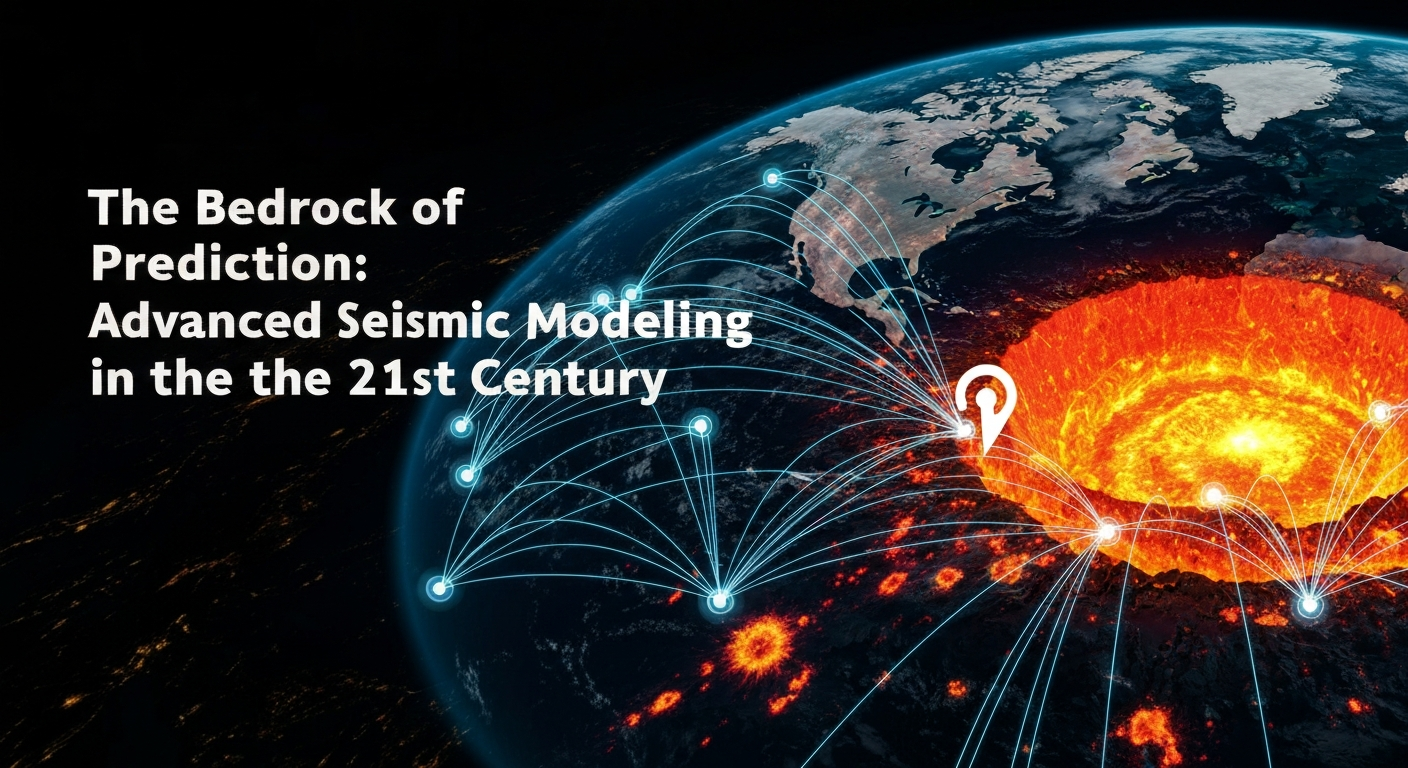
The quest to predict earthquakes has captivated humanity for centuries, driven by the immense destructive power these natural phenomena unleash. While absolute, deterministic prediction remains a formidable challenge, significant strides are being made through the integration of advanced artificial intelligence with vast datasets. At Talivio, our cutting-edge, AI-powered earthquake forecasting platform stands on a fundamental principle: the past holds the keys to understanding the future.
Central to our methodology is the indispensable role of historical seismic monitoring data. These invaluable records, meticulously collected over decades and even centuries, form the bedrock upon which our sophisticated machine learning models are built, trained, and validated. Without this rich tapestry of past events, the precision and reliability of modern forecasting systems like Talivio’s would be unattainable.
The Indispensable Role of Historical Data in AI Training
For artificial intelligence models to learn and identify patterns indicative of future seismic activity, they require extensive exposure to historical events. Imagine an AI as a student: it learns best by studying countless examples of how earthquakes have behaved in the past, under various geological and temporal conditions. This learning process is not merely about memorizing; it’s about discerning subtle correlations, anomalies, and precursor signals that might otherwise go unnoticed by human analysis alone.
Talivio's predictive algorithms, which include robust models such as LightGBM, Random Forest, ExtraTrees, and Calibrated Logistic Regression, are rigorously trained on a comprehensive historical dataset. This dataset comprises a multitude of seismic events, ranging from moderate magnitude (M4-5) to significant and major earthquakes (M6-7, M7+), categorized into our unique banded ML system. Each event provides a crucial data point, allowing our models to understand the complex interplay of forces that culminate in an earthquake. Research consistently demonstrates that the availability of high-quality, long-term historical data is paramount for developing effective earthquake prediction methods [Chen et al., 2023 — arxiv:2306.13231v1].
Crucially, historical data allows us to extract and engineer the 102 seismic features that feed our predictive models. These features are not arbitrary; they are derived from decades of seismological research and include parameters like GNSS strain rates, b-value anomalies, Coulomb stress transfer calculations, and ETAS (Epidemic Type Aftershock Sequence) parameter estimations. For instance, historical records of crustal deformation, captured by GNSS (Global Navigation Satellite System) stations, provide the necessary baseline and anomaly detection capabilities for strain rate analysis. Similarly, the study of historical earthquake catalogs is fundamental for calculating b-value anomalies, which can indicate changes in stress accumulation within a fault system, and for estimating ETAS parameters that describe aftershock sequences.
Validating and Calibrating Predictive Models with Past Events
Beyond initial training, historical seismic data is absolutely critical for the validation and calibration of forecasting models. It's not enough for an AI to learn; it must also prove its ability to generalize its knowledge to unseen scenarios. This is where back-testing comes into play: our models are tested against historical earthquake events that were not part of their initial training set, allowing us to objectively assess their accuracy, precision, and reliability.
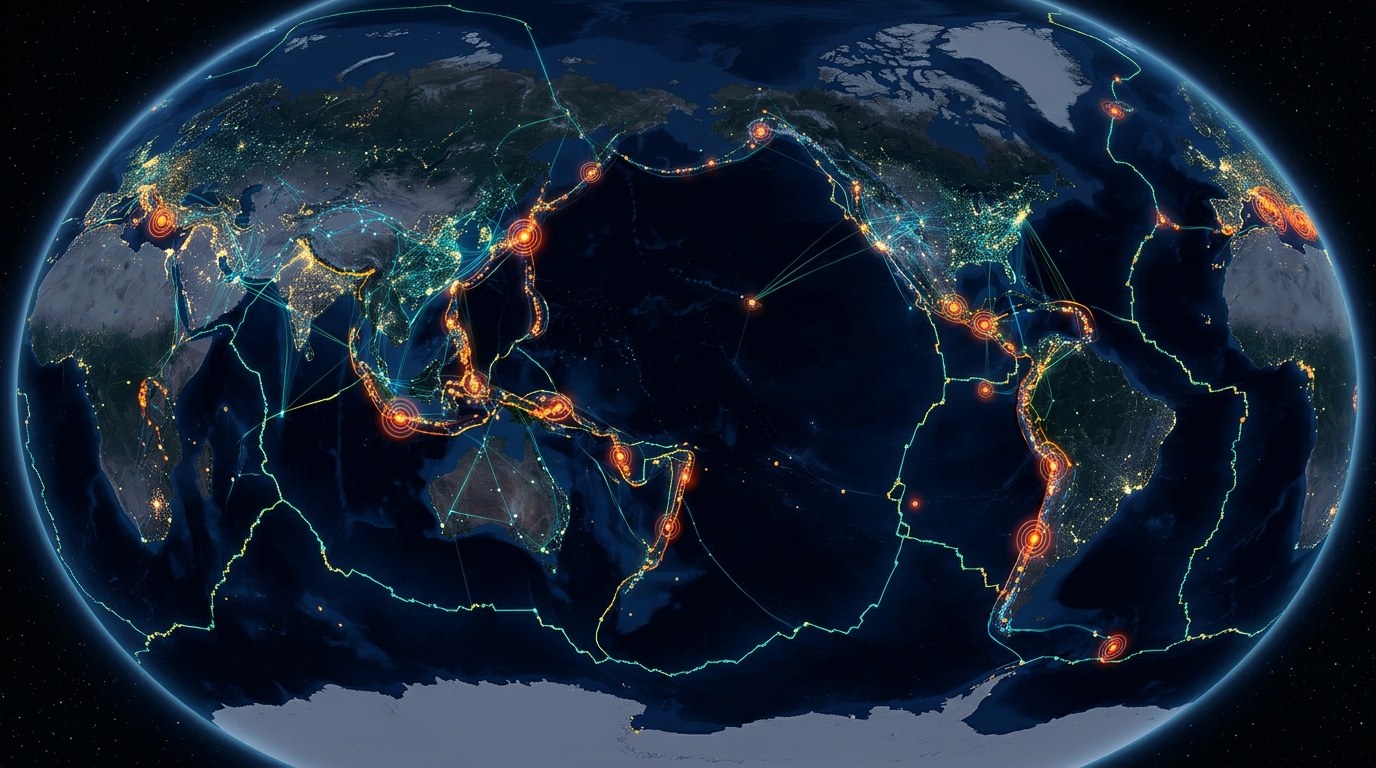
Consider the devastating 2011 Tohoku earthquake (magnitude 9.1), a pivotal event in modern seismology [usgs:official20110311054624120_30]. Talivio's models can be run against the historical data leading up to this event, simulating a real-time forecast. By comparing the model's 'predictions' (or retrospective forecasts) with the actual occurrence, we can quantify its performance metrics – such as hit rate, false alarm rate, and lead time. This rigorous validation process ensures that our banded ML system, which predicts earthquake likelihoods across M4-5, M5-6, M6-7, and M7+ magnitude bands, is robust and trustworthy. Each validation cycle provides invaluable feedback, prompting adjustments and refinements to the model architecture and feature engineering, thereby continuously enhancing predictive capabilities.
The iterative process of training and validation against historical data is what transforms raw algorithms into finely tuned forecasting instruments. It ensures that Talivio's models do not merely identify spurious correlations but genuinely capture underlying physical processes that govern earthquake nucleation and rupture. This empirical grounding is essential for providing actionable, scientifically sound forecasts to our users.
Evolving Understanding: From Early Seismographs to AI-Driven Insights
The journey of seismic monitoring has evolved dramatically over the past century, directly impacting the quality and quantity of historical data available today. Early seismographs, though rudimentary by modern standards, laid the groundwork for systematic data collection. These early records, often sparse and less precise, still offer valuable insights into long-term seismic patterns and major historical events.
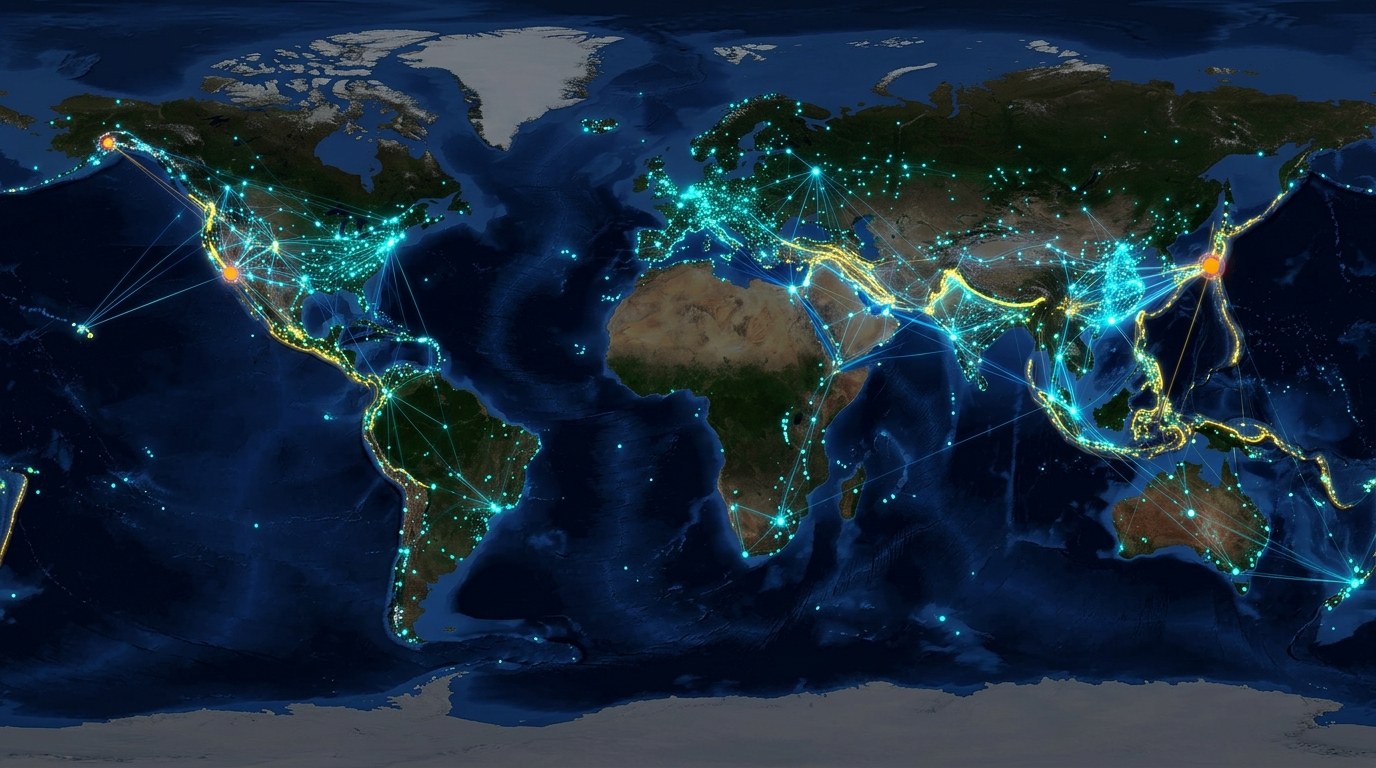
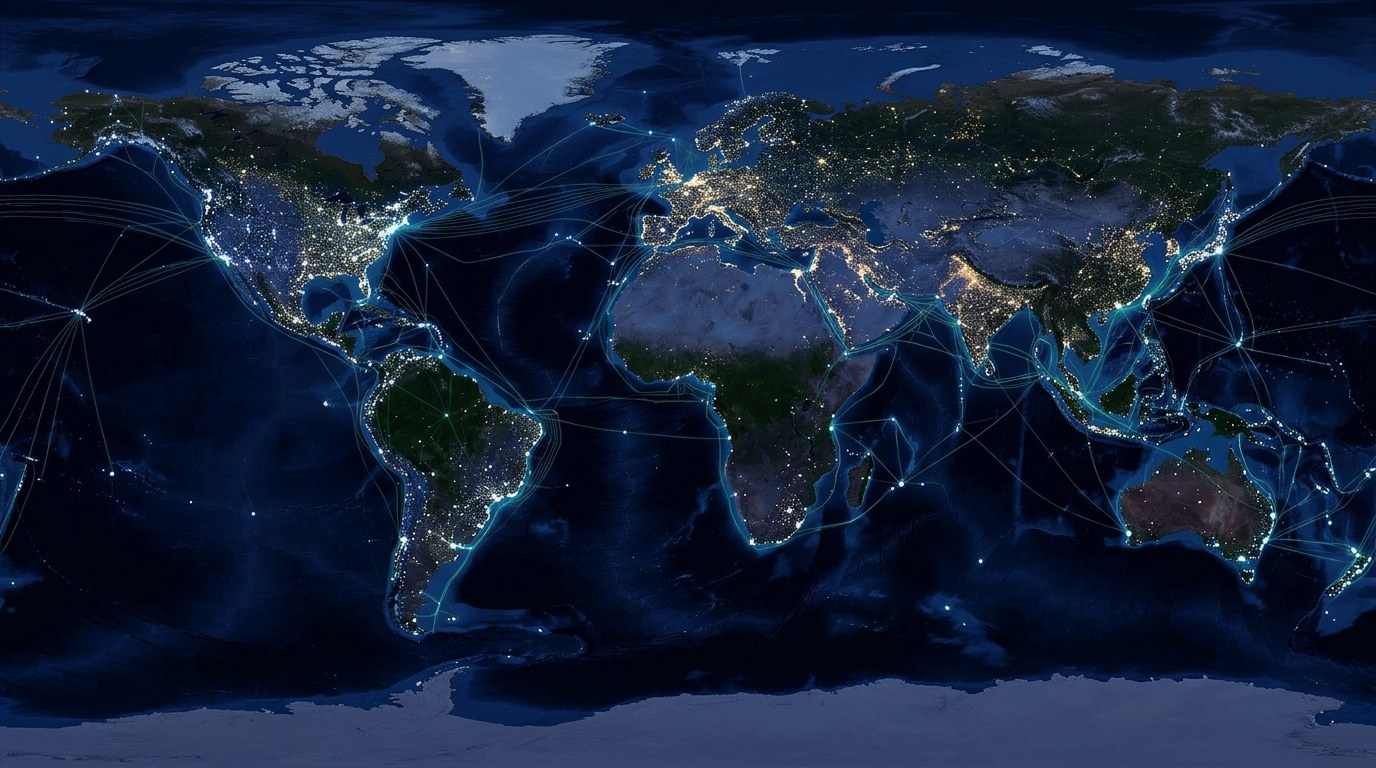
With advancements in technology, seismic networks have become denser and more sophisticated, incorporating broadband seismometers, accelerometers, and advanced GNSS receivers. This evolution has led to an explosion in the volume and resolution of seismic data, creating an unprecedented resource for AI-driven analysis. While older data presents challenges due to varying instrumentation and recording standards, modern computational techniques, including those employed by Talivio, can effectively process and integrate these diverse datasets. Machine learning approaches are particularly adept at extracting meaningful information from complex, multi-source seismic data, bridging gaps that conventional methods might miss [Bergen et al., 2019 — doi:10.1029/2019RG000665].
The transition from purely descriptive seismology to predictive seismology is fundamentally enabled by this historical data continuum. Talivio's models leverage this entire spectrum – from the earliest documented tremors to the most recent microseismic events – to build a holistic understanding of seismic system dynamics. This continuous feedback loop, where new data improves models and better models demand more comprehensive historical context, is at the heart of our platform's ongoing development.
The Future of Historical Data: Bridging Gaps and Enriching Features
The work of leveraging historical data is far from over. Ongoing efforts globally focus on digitizing, standardizing, and integrating older analog records into modern databases. This monumental task promises to unlock even richer insights, extending the temporal baseline for our predictive models and enhancing their ability to discern long-term seismic cycles and regional specificities. For Talivio, expanding and refining our historical data corpus is a continuous priority, as it directly translates to more robust and accurate forecasting capabilities.
Furthermore, new computational techniques allow us to re-analyze existing historical records, extracting previously unnoticed patterns or refining the calculation of our 102 seismic features. For example, advanced signal processing applied to old seismograms can potentially reveal subtle pre-seismic anomalies that were not detectable with earlier analytical methods. The integration of diverse data sources, such as historical geological surveys, paleoseismic trenching data, and even historical accounts of earthquakes, further enriches the context for our AI, providing a multi-disciplinary perspective on seismic hazards. This holistic approach ensures that Talivio's forecasts are not just data-driven, but knowledge-rich, incorporating the full breadth of scientific understanding.
Conclusion
At Talivio, we recognize that the path to more reliable earthquake forecasting is paved with data, especially historical data. These records are not just archives; they are the living memory of our planet's seismic activity, providing the essential training ground and validation framework for our advanced AI models. By meticulously analyzing past events, from the subtle shifts in GNSS strain rates to the complex patterns of aftershock sequences, we empower our algorithms to learn, adapt, and predict.
Our commitment to scientific accuracy and the rigorous application of machine learning, fueled by comprehensive historical seismic monitoring, underpins every forecast generated by Talivio. As we continue to expand our data repositories and refine our algorithms, we move closer to a future where communities are better prepared for seismic events, transforming uncertainty into actionable insights and contributing significantly to global earthquake resilience.