The Critical Frontier: Challenges of Offshore Seismic Monitoring
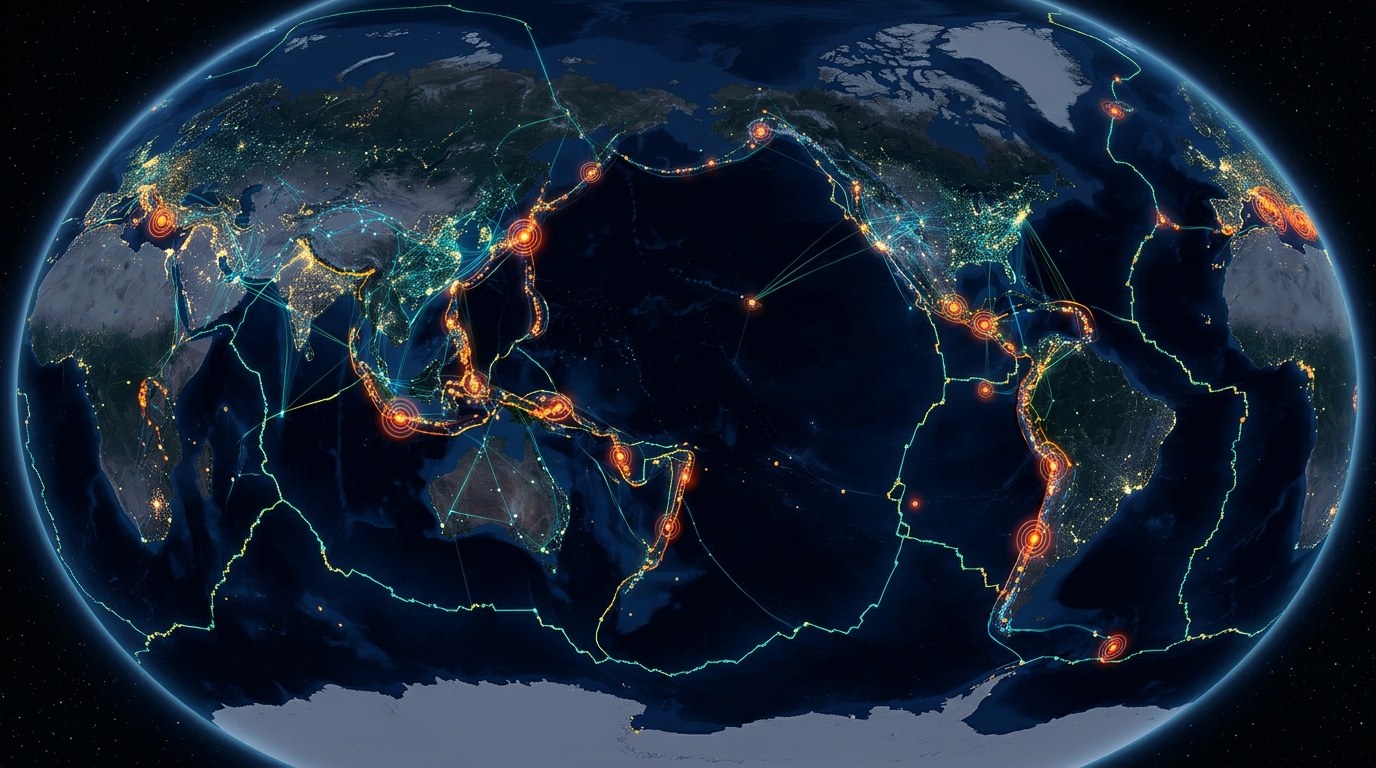
The relentless quest to predict earthquakes hinges on our ability to gather comprehensive and precise data from Earth's most dynamic regions. While terrestrial seismic networks offer invaluable insights, a vast and critical frontier—the ocean floor—remains largely uncharted in high-resolution detail. This gap in data collection is particularly problematic given that many of the world's most seismically active and tsunamigenic zones, such as subduction zones, lie offshore.
Traditional methods for offshore seismic monitoring face significant limitations. Ocean Bottom Seismometers (OBS) provide excellent data but are expensive to deploy and recover, leading to sparse spatial coverage and intermittent data streams. Towed streamer arrays, commonly used in oil and gas exploration, offer higher spatial density but are typically deployed for short durations and are not suitable for continuous, long-term monitoring of natural seismicity. These limitations mean that critical information about the structure, mechanics, and deformation of offshore fault systems, which are often the source of devastating earthquakes and tsunamis, remains largely elusive. Understanding these complex environments is paramount for improving our ability to forecast seismic events and mitigate their impact.
Distributed Acoustic Sensing (DAS): A Paradigm Shift in Data Acquisition
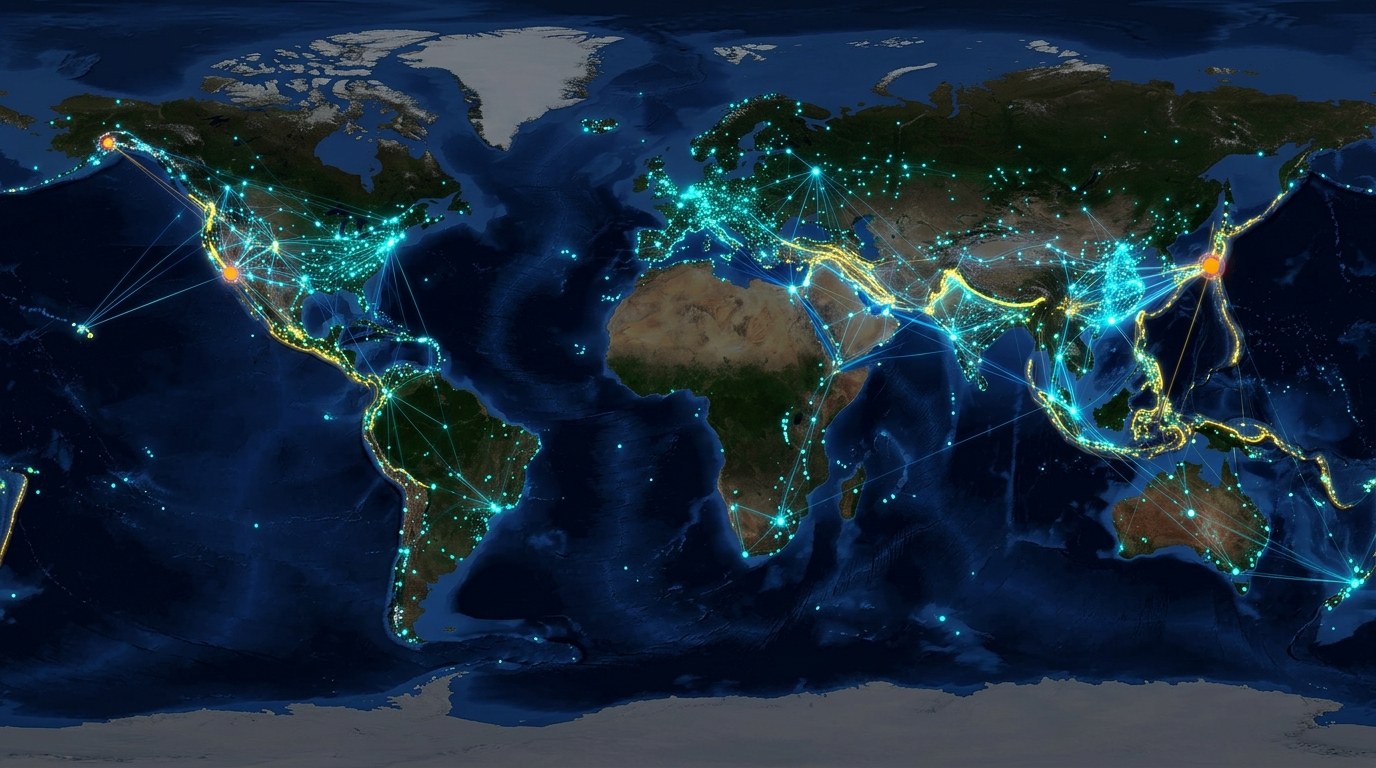
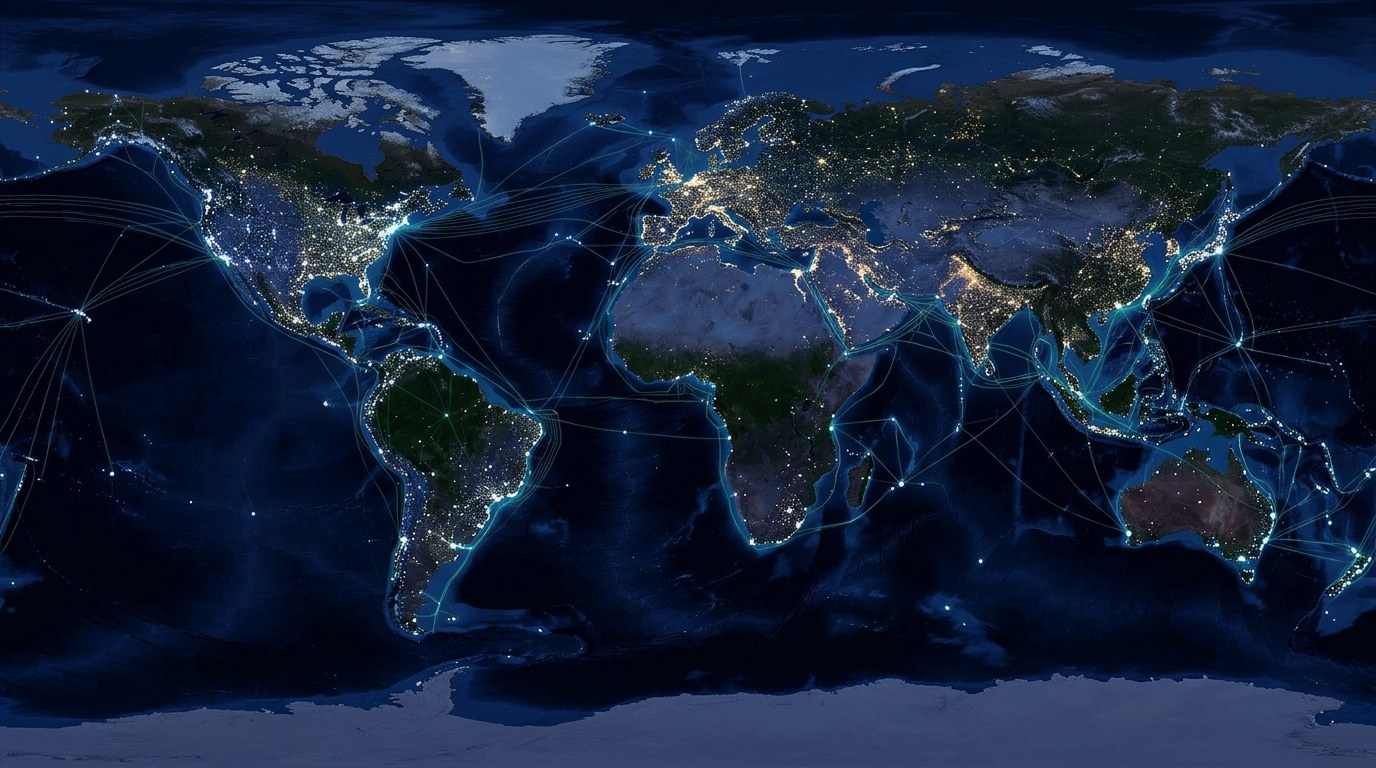
A groundbreaking technology, Distributed Acoustic Sensing (DAS), is rapidly emerging as a solution to these offshore monitoring challenges. DAS transforms existing fiber optic cables, including those already laid across ocean floors for telecommunications, into dense arrays of seismic sensors. This innovative approach leverages the principle of Rayleigh backscattering: a laser interrogator unit sends pulses of light down the fiber, and tiny imperfections within the fiber cause a small fraction of the light to scatter back. When the fiber experiences strain from passing seismic waves, the properties of this backscattered light change, allowing scientists to detect and quantify ground motion along the entire length of the cable.
The advantages of DAS over traditional seismic methods are profound. Firstly, it offers an unprecedented spatial density of virtual sensors, with measurements typically taken every few meters along tens to hundreds of kilometers of cable. This provides a resolution of seismic activity previously unimaginable. Secondly, DAS systems can operate continuously, delivering real-time data streams that are vital for capturing transient seismic phenomena and monitoring long-term crustal deformation. Thirdly, by repurposing existing infrastructure, DAS significantly reduces the cost and logistical complexity associated with deploying new dedicated sensor networks. Its robustness in harsh marine environments further positions DAS as a transformative tool for offshore seismic monitoring, capable of capturing broadband seismic signals from microseisms to large earthquakes.
Unveiling Seabed Dynamics with Passive Scholte-Wave Imaging
A recent study highlights the immense potential of DAS for detailed offshore characterization through broadband multi-aperture passive Scholte-wave imaging using seabed Distributed Acoustic Sensing. This research explores a sophisticated method to extract invaluable information about the shallow seabed structure, directly from the ambient seismic noise present in the ocean. Scholte waves are a type of interface wave that propagates along the boundary between a fluid (seawater) and a solid (the seabed), analogous to Rayleigh waves on land. These waves carry critical information about the elastic properties and velocity structure of the uppermost layers of the ocean floor.
The study demonstrates that DAS cables, when deployed on the seabed, are highly sensitive to the strain induced by Scholte waves generated by various natural sources, such as ocean waves, currents, and distant earthquakes. The 'passive' nature of this imaging technique means it relies on these naturally occurring ambient noise fields, eliminating the need for active seismic sources and enabling continuous, non-invasive monitoring. The 'broadband' aspect refers to the ability to capture a wide range of frequencies, allowing for detailed imaging of different depths within the seabed. Furthermore, 'multi-aperture' processing leverages multiple segments of the DAS array simultaneously, significantly enhancing signal-to-noise ratios and improving the resolution and accuracy of the resulting subsurface images [Wang et al., 2024 — arxiv:2607.16157v1].
This method allows for the unprecedented resolution of seabed velocity structures, revealing heterogeneities and discontinuities that are vital for understanding fault mechanics, fluid migration paths, and the distribution of stress offshore. Such detailed subsurface models were previously unattainable with conventional sparse sensor deployments. The research confirms the feasibility and effectiveness of using DAS for imaging complex seabed environments, providing crucial geological context for seismic activity [Wang et al., 2024 — arxiv:2607.16157v1]. For instance, understanding the precise structure of subduction zone interfaces, where two tectonic plates converge, is fundamental to assessing the potential for large tsunamigenic earthquakes. Data from such imaging could have provided invaluable insights into the complex rupture processes of events like the M7.7 Kermadec Islands earthquake [usgs:us7000j63n], where offshore plate dynamics are paramount.
Elevating Talivio's Forecasting with Advanced Seabed Data
At Talivio, our mission is to deliver advanced, AI-powered earthquake forecasts, and the integration of cutting-edge data sources like those provided by seabed DAS is crucial to achieving this. The high-resolution, continuous data from passive Scholte-wave imaging directly enhances our forecasting capabilities by enriching the foundational data upon which our machine learning models are built.
Specifically, this type of advanced offshore data significantly refines the 102 seismic features that feed into Talivio's predictive algorithms. For example:
- GNSS Strain Rate: While Global Navigation Satellite System (GNSS) data primarily measures land deformation, improved understanding of offshore plate coupling and deformation from DAS can provide better boundary conditions for regional strain models. This allows for more accurate interpretation of land-based strain rates and a more complete picture of regional stress accumulation.
- b-value Anomaly: Detailed imaging of offshore fault zones and their subsurface properties from Scholte wave data can help identify areas of localized stress concentration or material weakness. These insights can inform the spatial distribution of b-value calculations, allowing Talivio's models to more precisely pinpoint anomalous b-value trends that may indicate impending seismic events, especially in critical offshore fault segments.
- Coulomb Stress Transfer: Accurate calculations of Coulomb stress transfer, which describes how stress changes on one fault can trigger or inhibit slip on another, depend heavily on precise models of fault geometry and material properties. The high-resolution velocity models derived from DAS-based Scholte-wave imaging provide the necessary geological context for offshore faults, leading to more robust and reliable stress transfer computations, particularly for events that propagate across or originate from offshore regions.
- ETAS Parameter Estimation: Enhanced spatial and temporal resolution of offshore seismicity, including microseismicity detectable by DAS, can lead to more robust estimations of Epidemic Type Aftershock Sequence (ETAS) parameters. These parameters govern the clustering and decay of aftershocks, and more precise offshore data allows Talivio's models to better characterize earthquake interactions and potential cascading events in complex offshore fault networks.
The enriched feature set, now augmented by the unparalleled insights from DAS data, directly feeds into Talivio's banded machine learning system. Our models, including LightGBM, Random Forest, ExtraTrees, and Calibrated Logistic Regression, are continuously trained and optimized across magnitude bands (M4-5, M5-6, M6-7, M7+). By integrating this new class of data, our algorithms can learn more robust and subtle patterns associated with seismic precursors. This leads to higher precision in identifying anomalous seismic behavior and improves the accuracy of our forecasts, particularly for large magnitude events (M7+) originating from subduction zones, where the risk of tsunamis is highest [Wang et al., 2024 — arxiv:2607.16157v1]. By filling critical data gaps in offshore regions, DAS technology helps Talivio reduce the overall uncertainty in seismic hazard assessment, leading to more reliable and impactful forecasts.
Conclusion
The integration of Distributed Acoustic Sensing (DAS) and advanced imaging techniques like passive Scholte-wave imaging represents a monumental leap forward in offshore seismic monitoring. This technology is transforming our ability to peer beneath the ocean floor, revealing the intricate dynamics of Earth's most active and enigmatic regions. For platforms like Talivio, leveraging such cutting-edge data sources is not just an advantage; it is a necessity in our relentless pursuit of more accurate and timely earthquake predictions. By continuously incorporating the latest scientific advancements and high-resolution data, Talivio remains at the forefront of AI-powered earthquake forecasting, striving to enhance global resilience against seismic hazards and ultimately save lives.