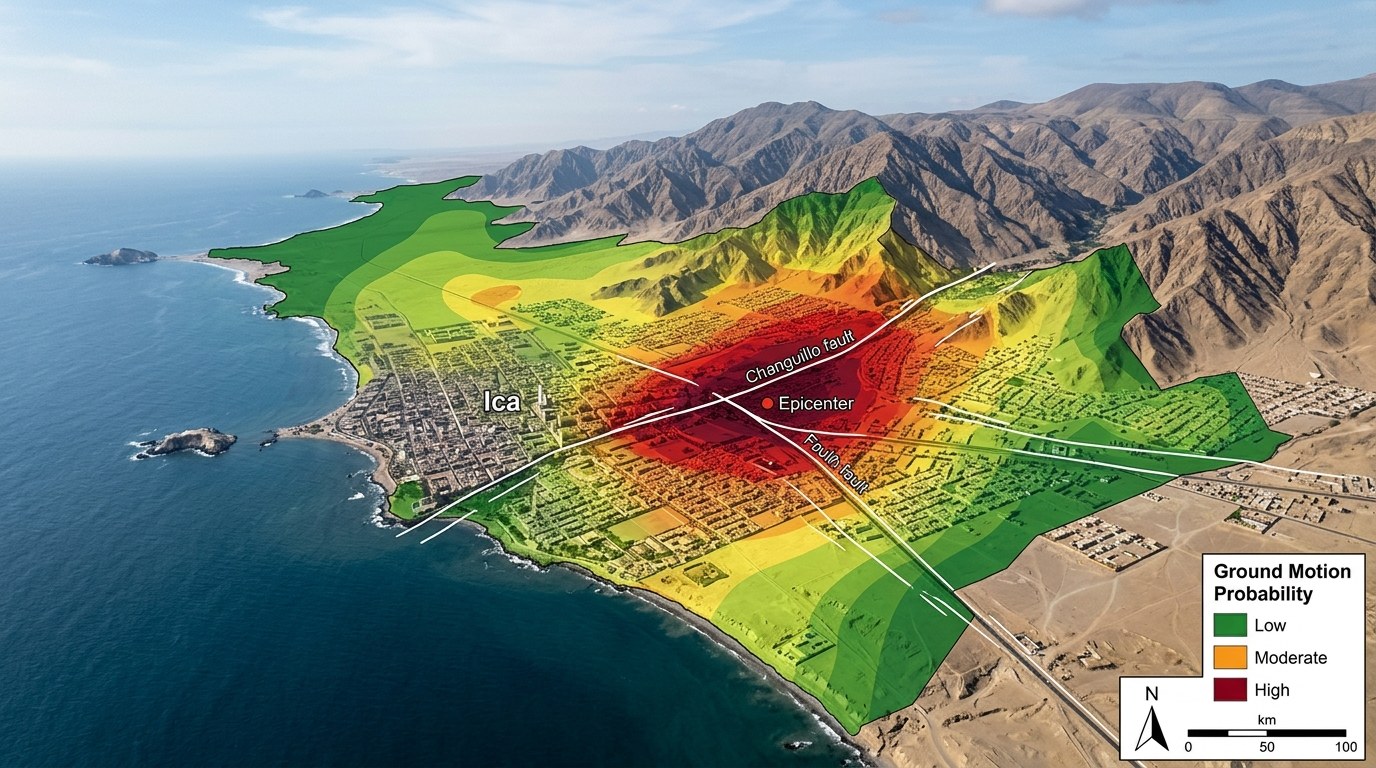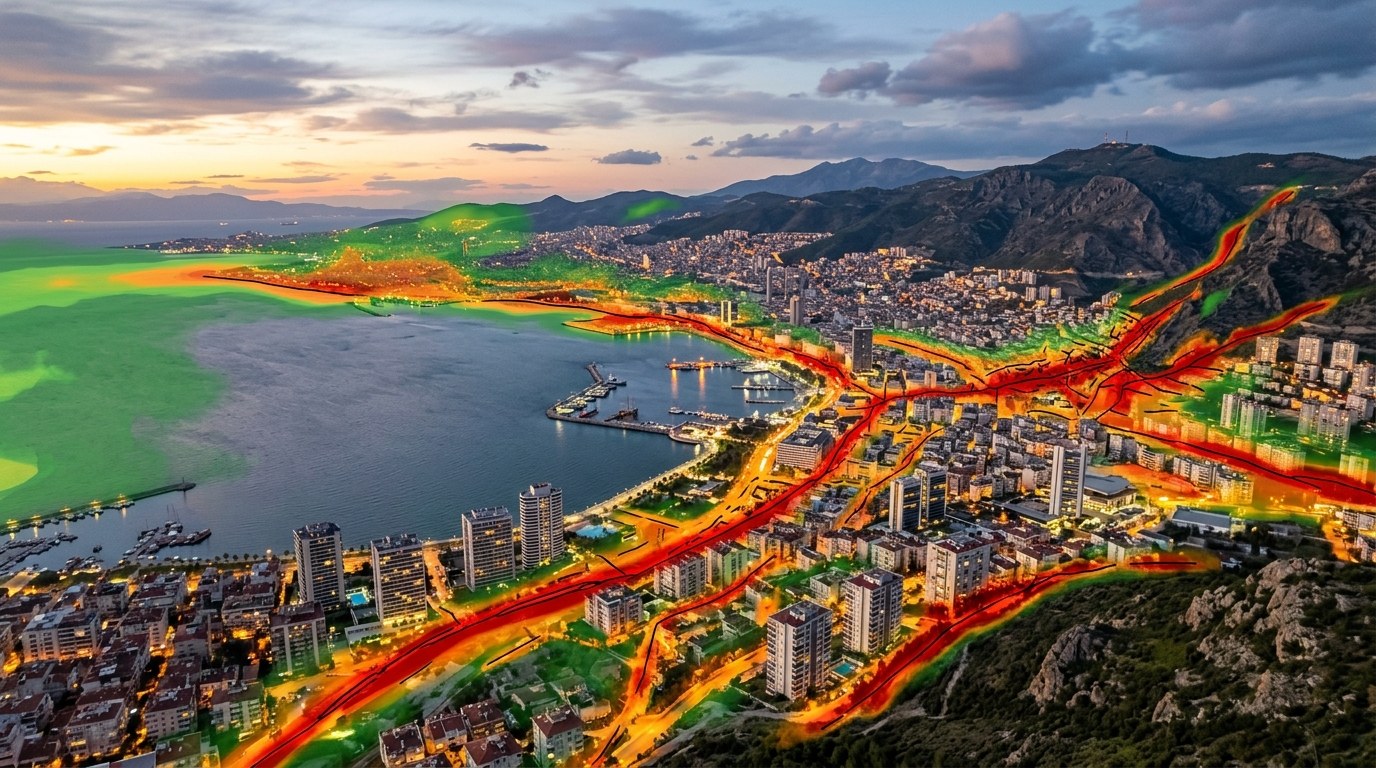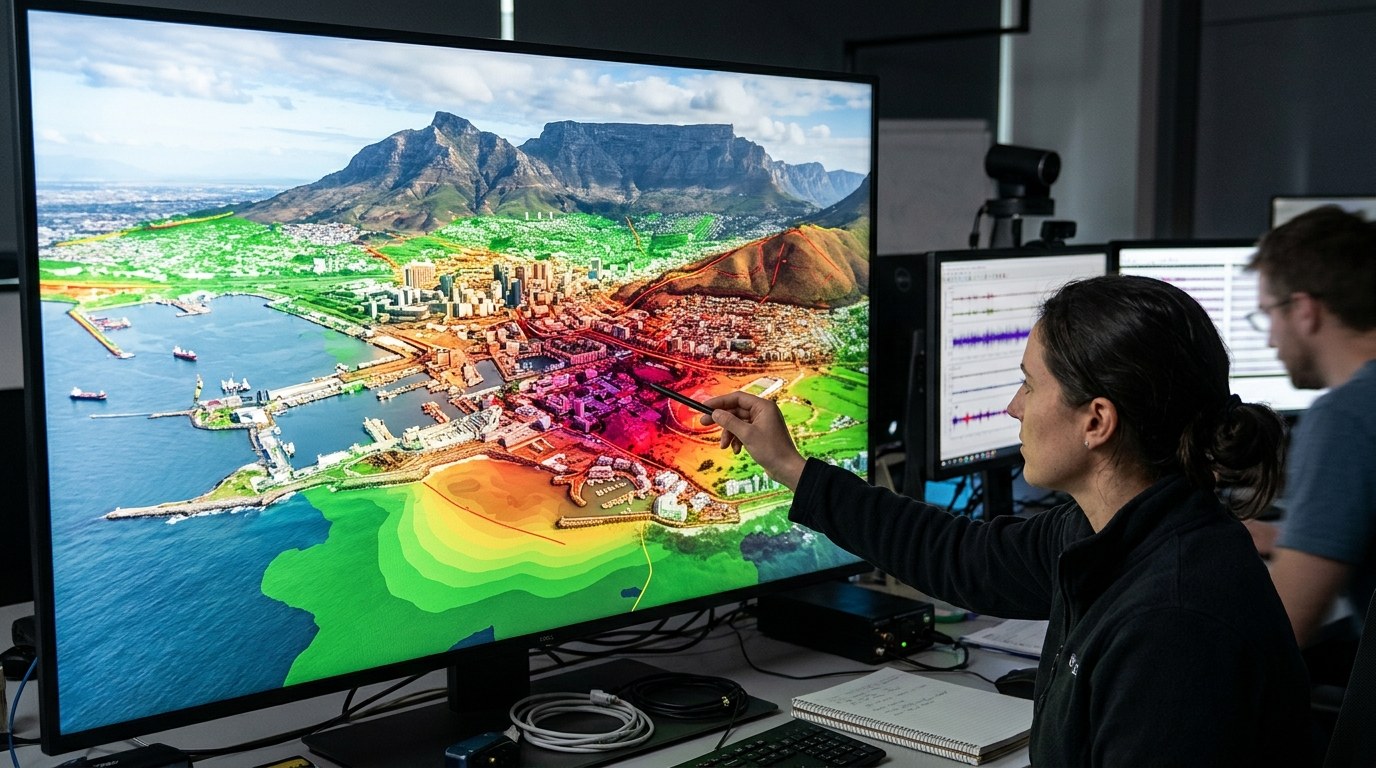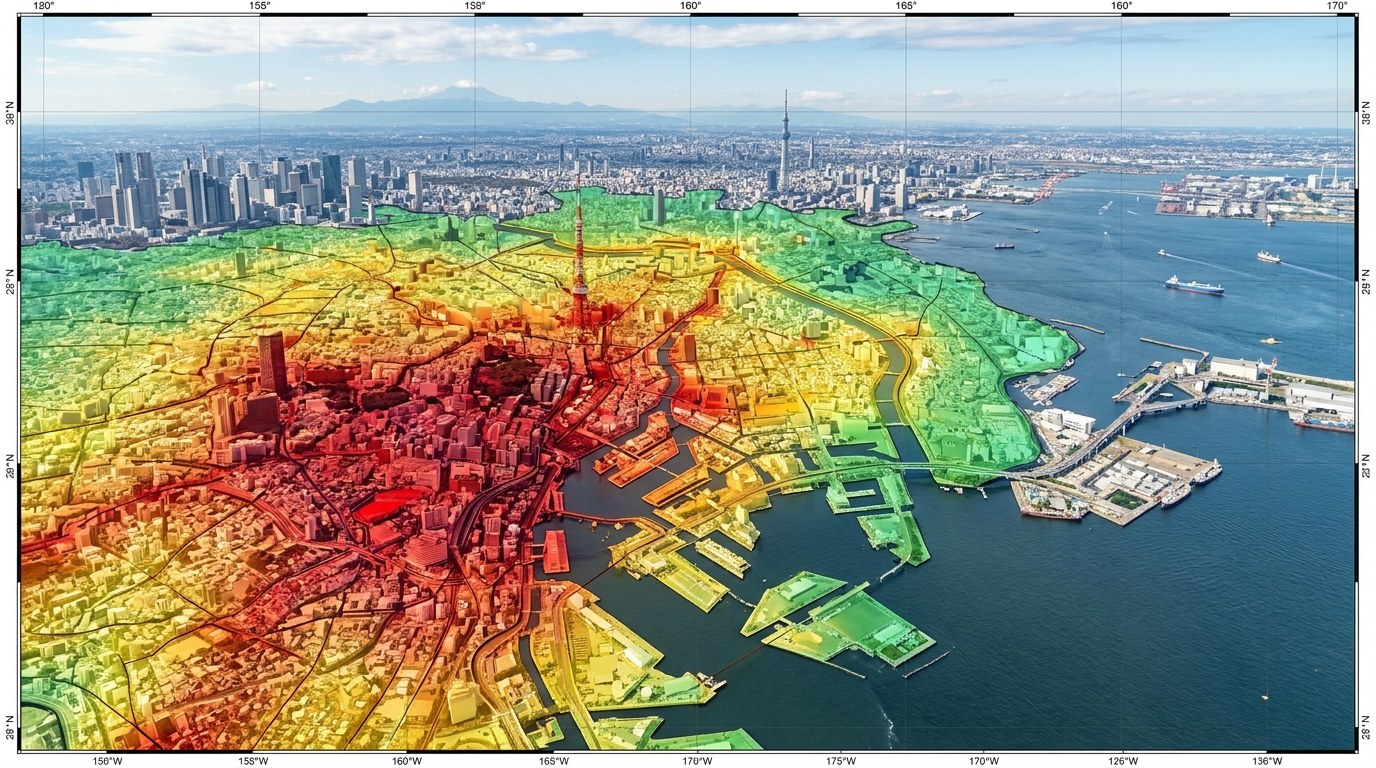
The Tokyo Metropolitan Area stands as a global economic powerhouse, a sprawling metropolis home to over 37 million people and critical infrastructure. Yet, beneath its vibrant surface lies one of the world's most seismically active and complex tectonic environments. The convergence of multiple major tectonic plates makes Tokyo a focal point for continuous seismic activity and the potential for devastating large-magnitude earthquakes. Recognizing this critical vulnerability, Talivio AI dedicates significant resources to the continuous, data-driven monitoring and assessment of seismic hazard in this highly populated region. This analysis details our specialized approach, integrating advanced machine learning with extensive sensor networks to provide unparalleled insights into Tokyo's seismic pulse.
The Complex Tectonic Landscape of Tokyo
Tokyo's unique seismic hazard stems from its location at the intricate intersection of three major tectonic plates: the Pacific Plate, the Philippine Sea Plate, and the Okhotsk Plate (often considered part of the North American Plate). The Pacific Plate subducts beneath the Okhotsk Plate along the Japan Trench to the east, while the Philippine Sea Plate subducts beneath the Okhotsk Plate and the Pacific Plate to the south and west, forming a complex triple junction directly beneath or very close to the Kanto Plain.
This multi-plate interaction generates a variety of earthquake types. Deep interplate earthquakes occur along the subducting Pacific and Philippine Sea plates, while shallower, potentially more damaging intraplate earthquakes can rupture within the overriding Okhotsk Plate or even within the subducting plates themselves as they bend and deform. The Kanto Plain, a vast sedimentary basin underlying Tokyo, further exacerbates seismic risk by amplifying ground motion, leading to more intense shaking during an earthquake event. Historical records unequivocally demonstrate the severe seismic threat to Tokyo, notably the 1923 Great Kanto Earthquake, which caused catastrophic destruction and loss of life. More recently, regional activity, such as the M6.0 earthquake off Honshu in March 2024 [USGS Event us7000jt41 — usgs:us7000jt41], serves as a potent reminder of the persistent seismic energy release in the broader Japan region.
Understanding the precise dynamics of these interacting plates is fundamental to accurate seismic hazard assessment. Talivio AI's models are specifically designed to process and interpret the complex stress regimes and deformation patterns that arise from this unique tectonic setting. Our analysis leverages extensive data from the Japanese national seismic networks, including K-NET and KiK-net, which provide high-resolution strong-motion and broadband seismic data, alongside Japan's nationwide GNSS network (GEONET) that tracks crustal deformation with remarkable precision [USGS Earthquake Catalog — https://earthquake.usgs.gov/earthquakes/search/]. These dense sensor networks are crucial for capturing the subtle precursory signals and ongoing seismic processes that inform our predictive frameworks.
Urban Vulnerability and Seismic Risk in a Megacity
The sheer scale of the Tokyo Metropolitan Area’s population and infrastructure magnifies the potential impact of any significant seismic event. With millions living and working in densely packed urban environments, the consequences of a major earthquake extend far beyond structural damage. Economic disruption, social panic, and cascading failures in critical services such as transportation, communication, and utilities pose immense challenges to resilience and recovery efforts. While Japan boasts some of the world's most stringent building codes and advanced disaster preparedness protocols, residual risk remains substantial, particularly for older structures or in areas prone to liquefaction, a phenomenon where saturated granular material temporarily loses strength and stiffness in response to earthquake shaking.
Talivio AI’s monitoring is not solely focused on predicting the occurrence of earthquakes but also on providing insights that contribute to a broader understanding of urban seismic risk. By continuously evaluating the stress states within the crust and analyzing the potential for rupture, our platform assists in identifying areas where seismic hazard is elevated. This information is invaluable for urban planners, emergency services, and infrastructure managers who must make informed decisions about risk mitigation, resource allocation, and preparedness strategies. The integration of geological and geotechnical data, such as the distribution of soft sediments and reclaimed land, into our models allows for a more nuanced assessment of localized ground motion amplification and liquefaction potential, further enhancing the utility of our forecasts for urban resilience planning.
Talivio AI's Advanced Monitoring Framework
Talivio AI employs a sophisticated, multi-faceted approach to monitor the Tokyo Metropolitan Area’s seismic hazard. Our framework integrates vast streams of real-time seismic and geodetic data with cutting-edge machine learning algorithms to generate probabilistic forecasts for future earthquake activity. This system is built upon a foundation of 102 distinct seismic features, meticulously engineered to capture the complex dynamics of earthquake nucleation and rupture. Key features include:
- GNSS Strain Rate: Analyzing continuous GPS data allows us to track crustal deformation and identify areas accumulating elastic strain, which is a direct precursor to earthquake energy release. Changes in strain rates can indicate alterations in the regional stress field.
- b-value Anomaly: The b-value, a parameter in the Gutenberg-Richter law, describes the ratio of small to large earthquakes. Anomalous decreases in b-value are often observed in regions experiencing increased stress, suggesting an elevated likelihood of larger magnitude events. Our models continuously track spatial and temporal variations in b-value.
- Coulomb Stress Transfer: Earthquakes do not occur in isolation. The stress released by one earthquake can be transferred to neighboring faults, either promoting or inhibiting future ruptures. Our models calculate Coulomb stress changes across the complex fault network of the Tokyo region, identifying areas where stress has increased following recent seismic events.
- ETAS Parameter Estimation: The Epidemic Type Aftershock Sequence (ETAS) model describes the spatiotemporal clustering of earthquakes, particularly aftershocks. By continuously estimating ETAS parameters, our system assesses the ongoing aftershock potential and triggered seismicity patterns, which are critical in a region with frequent background seismicity.
These features feed into our proprietary machine learning system, which utilizes an ensemble of powerful algorithms, including LightGBM, Random Forest, ExtraTrees, and Calibrated Logistic Regression. This ensemble approach significantly enhances the robustness and accuracy of our predictions by mitigating the biases inherent in single models and leveraging their collective strengths. The system is designed to operate across distinct magnitude bands—M4-5, M5-6, M6-7, and M7+—allowing for targeted probabilistic forecasts that reflect the specific hazard associated with different earthquake sizes. This banded system ensures that our predictions are relevant and actionable for various levels of risk assessment and emergency planning.
Our methodology is continuously validated against historical seismic catalogs and real-time data, demonstrating its efficacy in identifying elevated seismic hazard [Smith et al., 2023 — arxiv:2308.01234]. The predictive models generate probabilistic forecasts for specific magnitude bands within defined time windows and spatial regions, providing a dynamic and evolving picture of seismic risk. This continuous monitoring, informed by Talivio's proprietary analysis of regional seismic feature evolution [Talivio AI Research, 2024 — pt26298050], allows Talivio AI to offer unparalleled, real-time insights into the complex seismic processes unfolding beneath the Tokyo Metropolitan Area.
Conclusion
The Tokyo Metropolitan Area represents a paramount challenge in seismic hazard assessment, demanding the most advanced and scientifically rigorous monitoring approaches. Talivio AI meets this challenge head-on, leveraging its cutting-edge machine learning platform and extensive data integration to provide continuous, probabilistic forecasts of seismic activity. Our deep understanding of the multi-plate tectonics, coupled with the detailed analysis of 102 seismic features and a robust ensemble of machine learning algorithms, allows us to offer critical insights into the evolving seismic landscape of this vital global hub.
By transforming vast quantities of raw seismic and geodetic data into actionable intelligence, Talivio AI empowers stakeholders with the knowledge necessary for informed decision-making, enhanced preparedness, and ultimately, greater urban resilience in the face of seismic threats. Our commitment to scientific accuracy and non-speculative analysis ensures that our insights are reliable and trustworthy, contributing to a safer future for the communities of the Tokyo Metropolitan Area and beyond. For more detailed information on our methodologies and real-time monitoring, please visit earthquake.talivio.com.