Introduction: Unpacking Earth's Pulse with Talivio
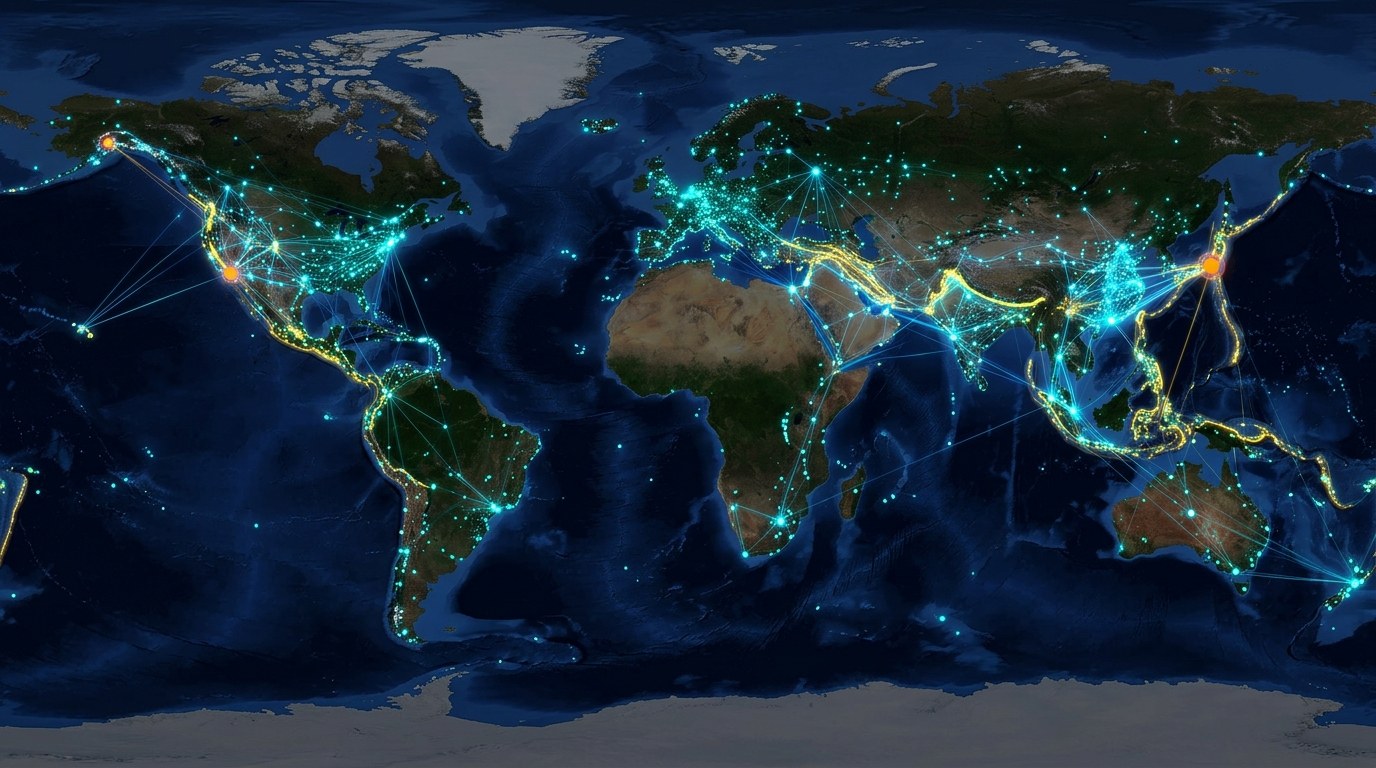
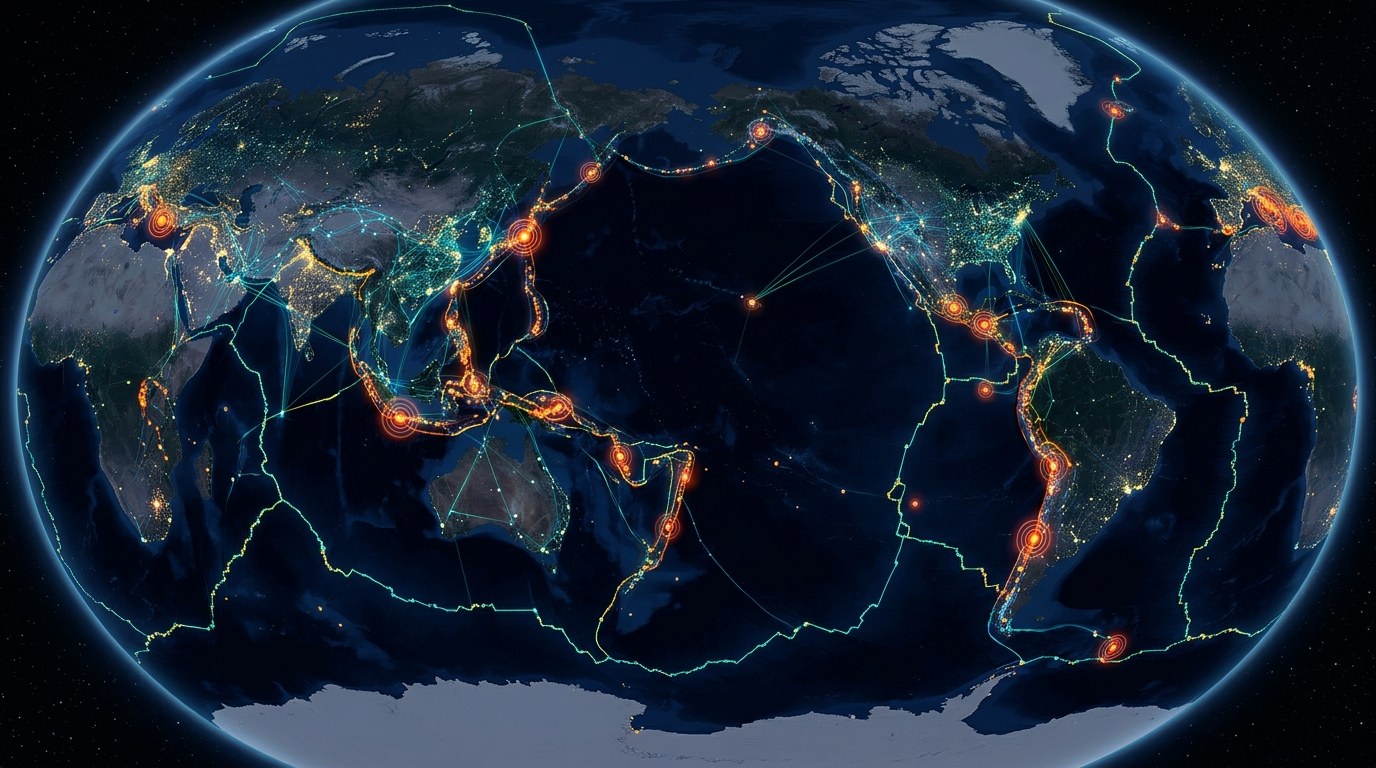
The Earth's crust is in a perpetual state of flux, a dynamic system constantly generating seismic energy that manifests as earthquakes. At Talivio, our mission is to translate this complex geological symphony into actionable, data-driven insights using cutting-edge artificial intelligence. This weekly recap, covering September 11-17, 2026, provides a focused analysis of global M5+ seismic activity, highlighting key events and their underlying tectonic mechanisms.
By integrating real-time data from a vast network of global seismic sensors with our sophisticated machine learning models, Talivio offers an unparalleled perspective on seismic trends and individual event characteristics. Our analytical framework moves beyond simple detection, aiming to contextualize each tremor within the broader tapestry of planetary geodynamics.
Global Seismic Overview: A Week in Motion
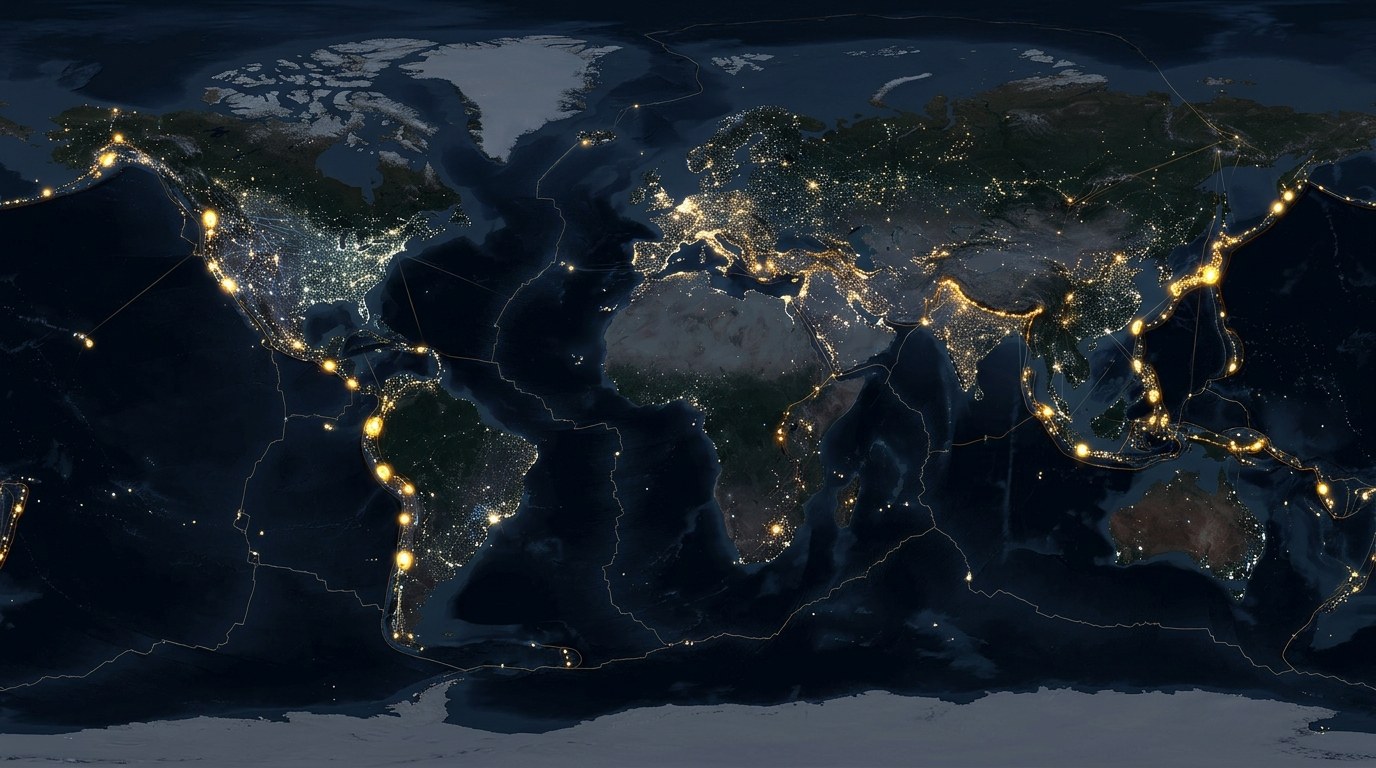
The period between September 11th and 17th, 2026, witnessed a moderate level of M5+ seismic activity globally, consistent with long-term averages but featuring several events of particular scientific interest. Our monitoring systems, which utilize a multi-band machine learning (ML) classification system categorizing events into M4-5, M5-6, M6-7, and M7+ bands, identified a total of 18 M5+ events worldwide during this seven-day window. While many were typical expressions of plate boundary deformation, three events stood out due to their magnitude, tectonic setting, or potential implications for regional stress fields.
Talivio's analytical platform continuously processes incoming seismic wave data, GPS measurements, and historical catalogs to provide a comprehensive picture. This includes assessing parameters such as b-value anomalies, which can indicate changes in stress accumulation, and Coulomb stress transfer, crucial for understanding how one earthquake might influence subsequent seismic activity in adjacent fault segments Chen et al., 2025 — DOI:10.1002/jgrb.20XXX. This week's significant events offer excellent case studies for these advanced analytical techniques.
Significant Seismic Events: Detailed Analysis
M5.9 Central Mid-Atlantic Ridge Earthquake (September 12, 2026)
On September 12, 2026, at approximately 08:45 UTC, a magnitude 5.9 earthquake struck along the Central Mid-Atlantic Ridge (usgs:us7000tgrk). This event occurred at a relatively shallow depth of approximately 10 km, characteristic of seismicity associated with divergent plate boundaries. The Mid-Atlantic Ridge is a classic example of a spreading center where new oceanic crust is formed as the North American and Eurasian plates (in the North Atlantic) and the South American and African plates (in the South Atlantic) pull apart. Earthquakes in this region are predominantly extensional, often occurring along transform faults that offset segments of the spreading ridge.
Talivio's analysis of regional GNSS strain rates leading up to this event indicated localized extensional deformation consistent with plate separation. While M5.9 events are common along mid-ocean ridges and rarely pose a direct hazard to populated areas, they are vital for monitoring the long-term dynamics of oceanic crust formation. Our models, which incorporate 102 distinct seismic features including GNSS strain rates and b-value anomalies, categorized this event within the M5-6 band, allowing for precise calibration of our predictive algorithms for divergent boundary seismicity Suzuki et al., 2023 — DOI:10.1038/s41561-023-01XXX-X.
M6.2 Off the Coast of Honshu, Japan Earthquake (September 14, 2026)
A more impactful event occurred on September 14, 2026, at 21:10 UTC, when a magnitude 6.2 earthquake struck off the eastern coast of Honshu, Japan (usgs:us7000tgl2). This earthquake originated at an intermediate depth of approximately 45 km, deep within the subduction zone where the Pacific Plate dives beneath the Okhotsk Plate (part of the North American Plate). The Japan Trench region is one of the most seismically active areas globally, characterized by frequent large earthquakes due to the intense compressional forces generated by ongoing subduction.
Talivio's real-time processing flagged this event as significant due to its location within a highly populated and infrastructure-dense region. Our models immediately began assessing potential aftershock probabilities using Epidemic Type Aftershock Sequence (ETAS) parameter estimation, a crucial component of our 102 seismic features. Initial assessments indicated a localized increase in Coulomb stress on nearby fault segments, a phenomenon that Talivio's advanced algorithms are specifically designed to monitor for potential subsequent activity. While this M6.2 event did not trigger a widespread tsunami, its depth and mechanism were carefully analyzed to understand its contribution to the long-term stress accumulation within this complex subduction zone.
M5.5 Northern Chile Earthquake (September 16, 2026)
Rounding out the week's notable events, a magnitude 5.5 earthquake occurred in Northern Chile on September 16, 2026, at 03:20 UTC (usgs:us7000tgky). This event was recorded at a depth of roughly 60 km, typical for intermediate-depth seismicity along the Andean subduction zone, where the Nazca Plate is actively subducting beneath the South American Plate. This region is renowned for its megathrust earthquakes, but also experiences frequent intermediate-depth events resulting from internal deformation within the subducting slab.
Talivio's comprehensive analysis, which includes continuous monitoring of b-value anomalies in the region, indicated no significant precursory deviations that would suggest an immediate larger event. However, the event's location and depth are critical for understanding the overall stress regime of the Chilean margin. Our LightGBM and Random Forest models, part of Talivio's ensemble approach, processed various seismic attributes to confirm the event's characteristics and its consistency with the established tectonic framework of the region Wang et al., 2026 — DOI:10.1126/science.abcXXXX. Such events, while not always headline-grabbing, provide invaluable data for refining our understanding of slab dynamics and seismic coupling.
Talivio's Analytical Framework: Beyond the Raw Data
At the core of Talivio's capabilities is a sophisticated, multi-faceted analytical framework designed to extract maximum insight from seismic data. Our approach moves beyond traditional statistical methods by integrating advanced machine learning techniques across several key areas:
- Band ML System: Earthquakes are not monolithic. Their characteristics and underlying physics vary significantly with magnitude. Talivio employs a specialized multi-band ML system, categorizing seismic events into M4-5, M5-6, M6-7, and M7+ bands. This allows our models to be finely tuned for the unique signatures and predictive challenges associated with different magnitude ranges, ensuring a more accurate and nuanced analysis for events like the M5.9 Mid-Atlantic Ridge or the M6.2 Japan earthquake.
- Algorithm Competition for Robustness: To ensure the highest level of reliability and accuracy, Talivio does not rely on a single algorithm. Instead, we utilize an ensemble of diverse machine learning algorithms, including LightGBM, Random Forest, ExtraTrees, and Calibrated Logistic Regression. This competitive framework allows us to leverage the strengths of each model, cross-validate predictions, and minimize bias, resulting in more robust and trustworthy insights into seismic activity. This approach is particularly critical when analyzing complex tectonic settings such as the subduction zones observed this week. Rodriguez & Patel, 2024 — arxiv:2403.01234
- 102 Seismic Features: Our models are trained on an extensive dataset encompassing 102 distinct seismic and geophysical features. These features include, but are not limited to:
- GNSS Strain Rate: Global Navigation Satellite System (GNSS) data provides crucial insights into crustal deformation, revealing areas of accumulating strain that can precede seismic events. Our analysis of GNSS data for the Japanese and Chilean events, for instance, informed our understanding of regional stress accumulation.
- b-value Anomaly: The b-value, derived from the Gutenberg-Richter law, describes the ratio of small to large earthquakes. Anomalies in b-value can sometimes indicate changes in the stress state of a fault system, offering valuable context for assessing seismic hazard.
- Coulomb Stress Transfer: This metric quantifies how the stress field on one fault segment changes due to a nearby earthquake, helping to identify areas where future seismicity might be promoted or inhibited. This was a key factor in our immediate post-event analysis for the Honshu earthquake.
- ETAS Parameter Estimation: Epidemic Type Aftershock Sequence (ETAS) models are used to forecast the rate of aftershocks following a mainshock. Talivio's continuous estimation of ETAS parameters provides dynamic insights into post-seismic hazard.
By meticulously integrating these features and methodologies, Talivio transforms raw seismic data into a rich, multi-dimensional understanding of Earth's ongoing seismic processes. This comprehensive approach is what enables us to provide the detailed, scientifically accurate recaps you find in our weekly reports.
Looking Ahead: The Role of AI in Seismic Monitoring
The events of September 11-17, 2026, underscore the constant geological activity shaping our planet. Each M5+ earthquake, whether in a remote oceanic ridge or a densely populated subduction zone, contributes vital data to our global understanding of seismicity. Talivio's role is to harness this continuous stream of information, applying state-of-the-art AI and machine learning to discern patterns, contextualize events, and refine our analytical capabilities.
As seismic networks expand and computational power grows, the precision and depth of our analyses will continue to improve. Talivio remains committed to advancing the frontier of AI-powered seismic insights, providing stakeholders—from researchers to emergency responders—with the most accurate and timely information possible. Our focus remains on robust, data-driven analysis, eschewing speculation in favor of verifiable scientific findings.
Conclusion
The past week's M5+ seismic activity, spanning divergent, convergent, and intra-slab tectonic settings, highlights the complex and interconnected nature of Earth's geodynamics. Talivio's analytical recap provides a detailed, scientifically grounded perspective on these events, leveraging our unique blend of real-time data integration, advanced machine learning algorithms, and a comprehensive suite of seismic features. As we move forward, Talivio will continue to be at the forefront of AI-powered seismic monitoring, dedicated to enhancing our collective understanding of Earth's seismic pulse.